Introduction
The Moldova elections of 2023 are pivotal in shaping the political landscape of this Eastern European nation. As citizens participated in the electoral process, the outcomes of these elections have broad implications for Moldova’s governance, its relationship with the European Union, and its stance regarding Russia amid ongoing geopolitical tensions. Understanding the results and their potential impacts is crucial for comprehending the future direction of Moldova.
Key Events Leading Up to the Elections
In the lead-up to the elections, Moldova underwent a series of political shifts, largely influenced by the 2020 presidential elections that brought pro-European Maia Sandu to power. Her administration has focused on anti-corruption measures and strengthening ties with the EU. However, recent economic challenges, exacerbated by the war in Ukraine and rising energy prices, have put pressure on Sandu’s government, creating a contentious electoral environment.
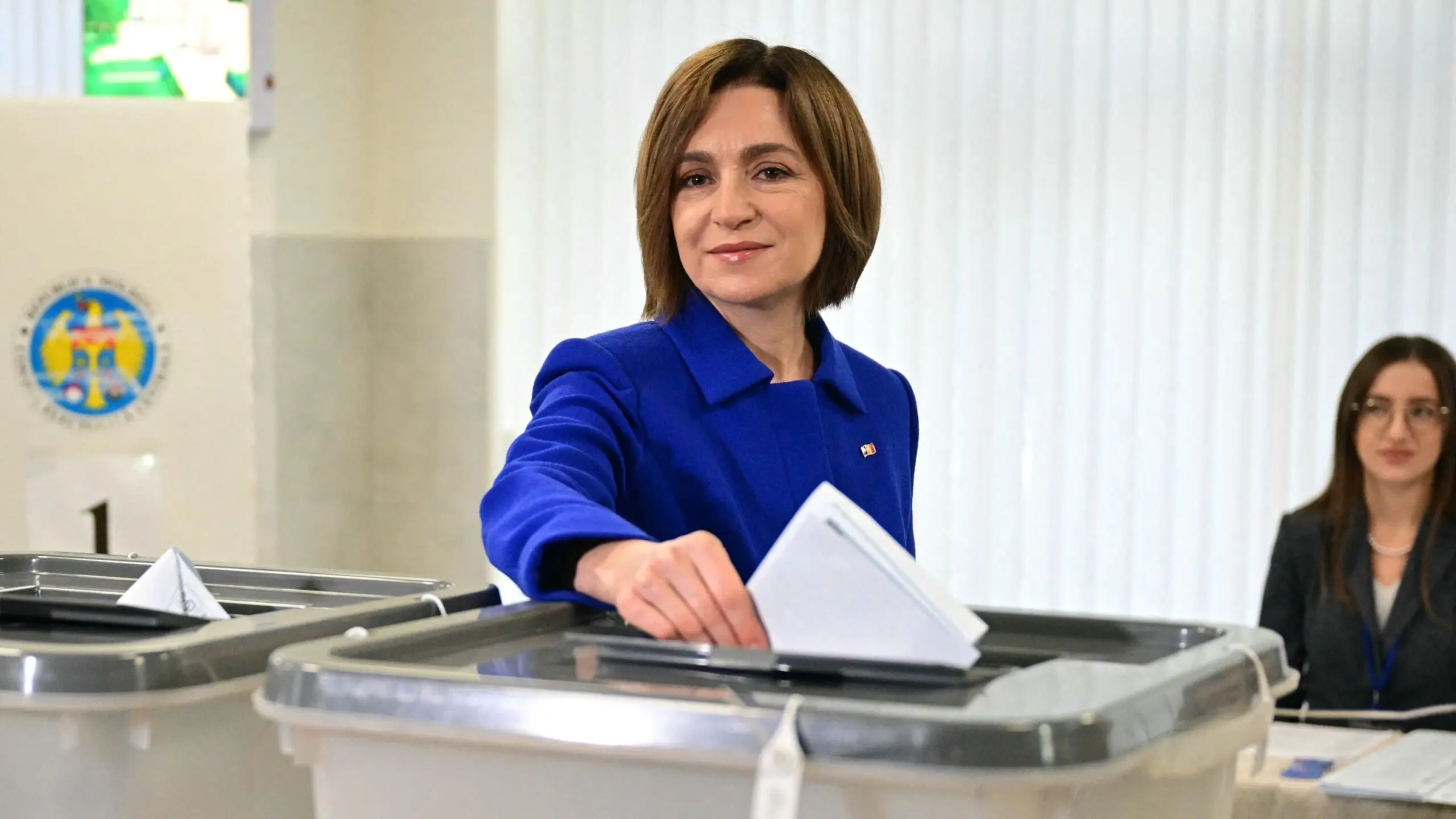
The elections witnessed a heated campaign featuring multiple parties, including the pro-Russian Party of Socialists and the pro-European Action and Solidarity Party. Voter turnout was notably high, with citizens eager to express their views on the future of their country. These elections were particularly significant as they were seen as a referendum on the government’s handling of economic issues and foreign policy.
Results and Reactions
The official results indicate a continuing trend of support for pro-European parties, with the Action and Solidarity Party maintaining its majority in parliament. However, the pro-Russian Socialists made substantial gains, reflecting a divided electorate. International observers described the elections as generally fair, though they noted issues such as limited media access for opposition parties. Reactions from the citizens ranged from optimism regarding the continuity of pro-European policies to skepticism over economic hardships.
Looking Ahead
With the elections concluded, the new parliament faces immediate challenges, including addressing economic recovery, curbing rising inflation, and managing public services. The coalition building process will likely be complex, as the government attempts to balance the diverse political spectrum in the parliament.
Future relations with the European Union are also uncertain; Moldova’s push for EU membership may intensify, especially if economic conditions improve, but this could lead to further tensions with Russia, who views Moldova as within its sphere of influence.
Conclusion
The 2023 Moldova elections mark a significant chapter in the country’s democratic journey. Given the geopolitical complexities and internal challenges, the importance of stable governance cannot be overstated. As Moldovans move forward with the newly elected government, the implications of these elections will undoubtedly shape the trajectory of the nation, calling for close observation in the months to come.
