What the data shows
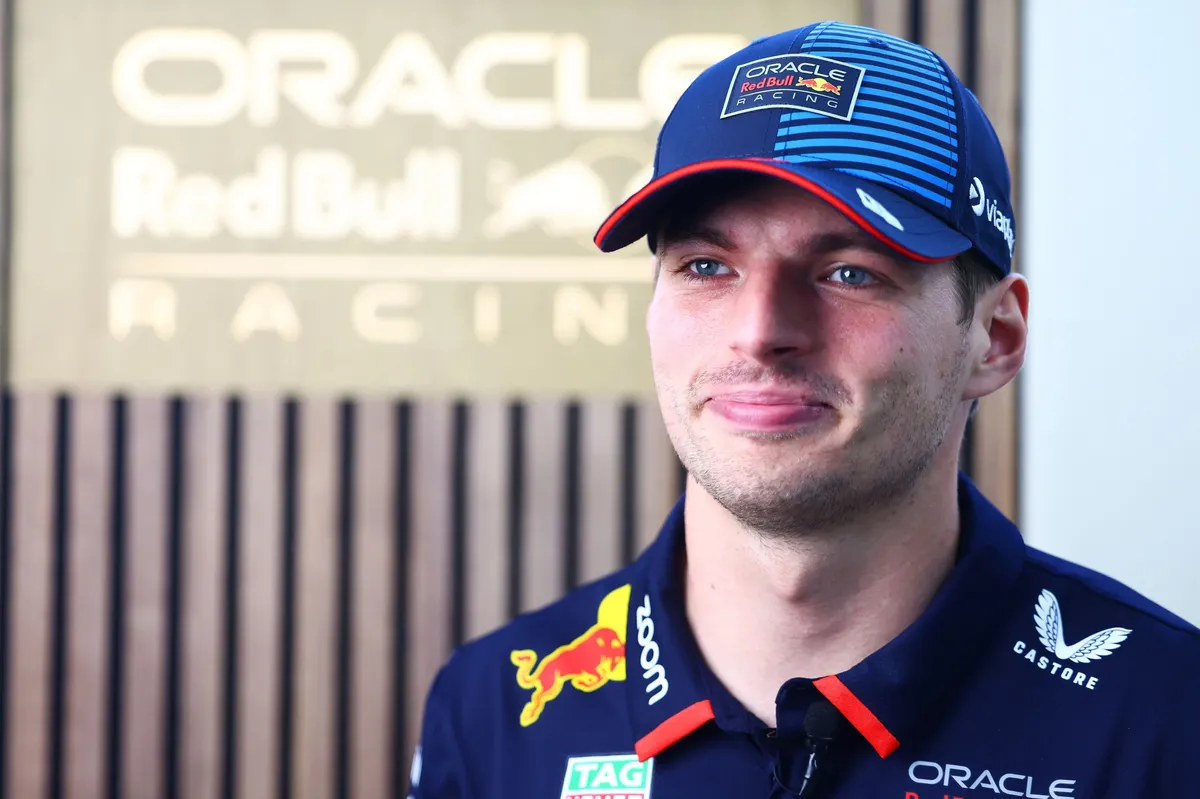
What happens when a leading driver in Formula 1 voices strong criticism of the sport’s regulations? This question has been raised following Max Verstappen’s recent comments after his retirement from the Chinese Grand Prix, where he finished in sixth place. Verstappen has been vocal about his dissatisfaction with the current regulations, which he claims have led to a racing environment that is not enjoyable for both drivers and fans alike.
Verstappen’s main concern revolves around the 2026 regulations, which mandate that nearly 50% of a car’s power must come from its battery pack. He described the new racing style as akin to “playing Mario Kart,” suggesting that the changes have created an artificial racing experience. His frustration is compounded by the fact that he has been critical of these regulations since preseason testing in 2023, indicating that this is not a new issue for him.
In his own words, Verstappen stated, “It’s still terrible. I don’t know, if someone likes this, then you really don’t know what racing is about.” This sentiment reflects a broader concern among drivers regarding the direction Formula 1 is taking. Verstappen believes that the current regulations are “fundamentally flawed” and that they prioritize a style of racing that could ultimately ruin the sport. He has called for changes to improve the racing product, emphasizing that most drivers share his concerns.
As of now, Verstappen sits eighth in the championship standings with just 8 points after two races. His performance in the Chinese Grand Prix was disappointing, but it is not an isolated incident. The Australian Grand Prix, for instance, saw 75 more overtakes than the previous year, indicating that the racing dynamics are shifting, but not necessarily in a way that aligns with Verstappen’s vision for the sport.
Verstappen’s criticism is not merely a personal grievance; it reflects a growing discontent among drivers about the current state of Formula 1. He expressed concern that the sport’s governing bodies might not recognize the potential negative impact of these regulations. “I hope they don’t think like that, because it will eventually ruin the sport,” he warned, highlighting the urgency of addressing these issues.
As the season progresses, it remains to be seen how the FIA and Formula 1 management will respond to these criticisms. Will they take Verstappen’s concerns into account, or will they continue on their current path? Details remain unconfirmed, but the conversation around the future of F1 regulations is likely to intensify as more drivers join the discussion.
In summary, Max Verstappen’s outspoken criticism of the current F1 regulations has sparked a significant debate within the sport. His call for change resonates with many in the racing community, and as the season unfolds, the implications of these regulations will become increasingly clear. The future of Formula 1 may depend on how effectively the sport’s governing bodies address these concerns.
