Introduction
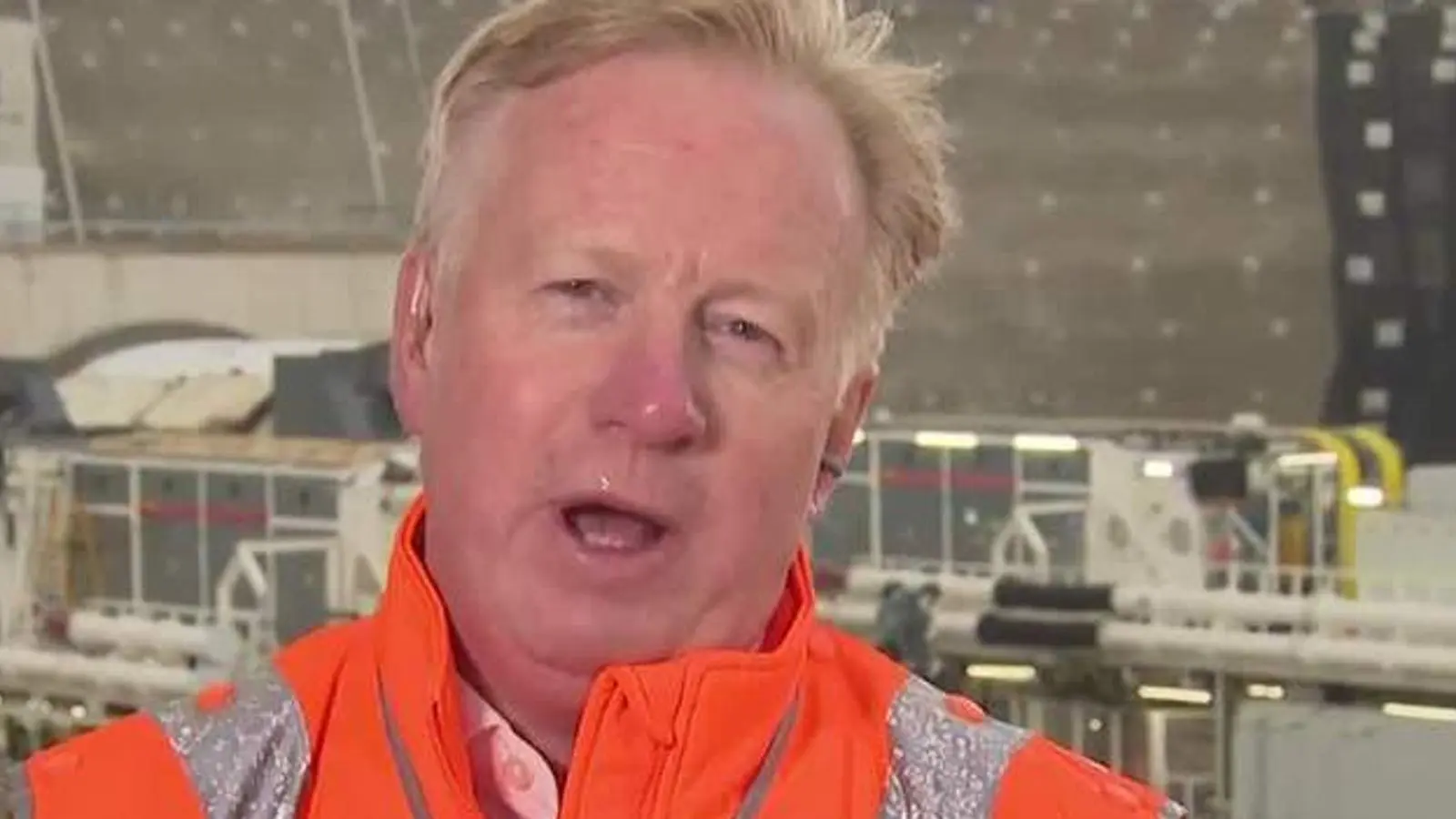
Mark Thurston, the Chief Executive Officer of HS2 Ltd, is at the forefront of the transportation sector in the United Kingdom. His leadership has been crucial in advancing high-speed rail infrastructure, which is deemed essential for the nation’s economy, connectivity, and environmental goals. In light of increasing demands for sustainable transport, Thurston’s vision is pivotal for shaping the future mobility landscape in the UK.
Thurston’s Journey to Leadership
Before assuming the role of CEO at HS2 Ltd in 2017, Thurston built a robust career in civil engineering and project management. He has over 30 years of experience overseeing significant transport projects, including his previous role as the Managing Director of the Southern Railway. His extensive background allows him to bring valuable insights into the complexities of large-scale initiatives.
Current Projects and Future Plans
Under Thurston’s stewardship, HS2 is working diligently to construct new high-speed train lines that will connect major cities in the country. The project is not without its controversies, facing criticisms regarding budget overruns and environmental impacts. However, efficiency and innovation are at the heart of HS2’s updating agenda. Thurston has stated his commitment to ensuring that the project not only meets connectivity demands but also adheres to rigorous environmental standards.
Moreover, in 2023, Thurston announced ambitious plans for the next phases of HS2, which include expanded regional services and technology upgrades. These plans aim to create a seamless transport system that complements public transit and reduces congestion in urban areas.
Significance of Thurston’s Work
Thurston’s leadership extends beyond infrastructure; he is also a champion for sustainable practices within the transport sector. His advocacy for greener transportation solutions aligns with the UK government’s pledge to achieve net-zero carbon emissions by 2050. In parallel, his efforts to enhance local communities through improved transport access have been well-received, further underscoring his commitment to impactful leadership.
Conclusion
As the UK navigates evolving transport needs amidst the climate crisis, Mark Thurston’s role as a leader in the sector becomes ever more crucial. His vision for the future of transport is one that seeks to balance development with sustainability, ensuring that the benefits of high-speed rail extend far beyond mere travel. For residents, commuters, and stakeholders, understanding Thurston’s initiatives provides a lens into how transportation may shape daily lives in the coming years.
