Introduction
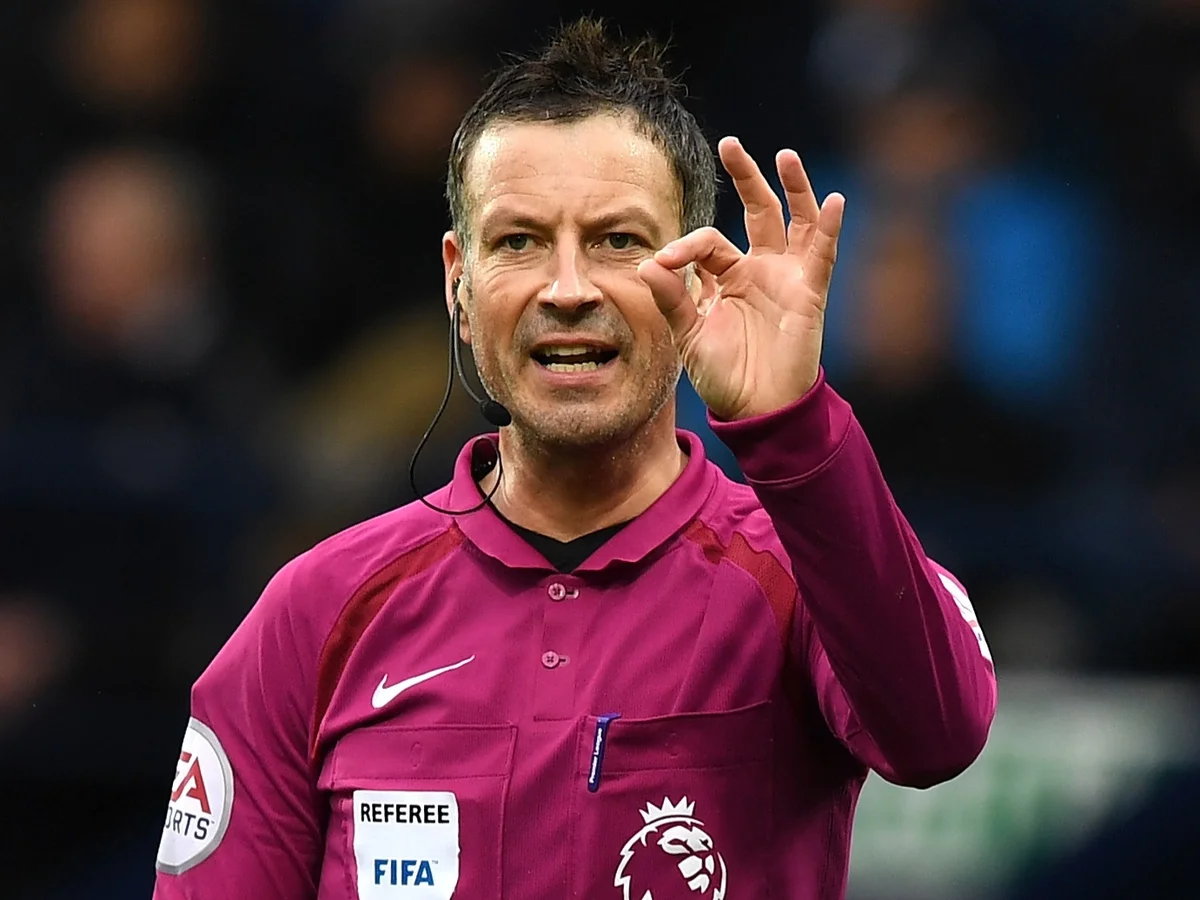
Mark Clattenburg is a name that resonates with football fans around the world, celebrated for his influential role as a referee in major tournaments. With a career spanning over a decade at the pinnacle of officiating, Clattenburg has made significant contributions to the sport, notably during pivotal moments in English and international football. His legacy continues to spark discussions about refereeing standards and the evolution of the role.
Career Highlights
Clattenburg started his refereeing career in 1997, quickly rising through the ranks to officiate in the Premier League and various international competitions. One of his most memorable moments came in 2016 when he refereed the UEFA Champions League final, a high-stakes match between Real Madrid and Atletico Madrid. His ability to handle intense pressure and ensure fair play garnered praise from players and critics alike.
In addition to the Champions League final, Clattenburg officiated at the 2014 FIFA World Cup in Brazil, overseeing crucial matches that further cemented his reputation. His performance in these high-profile games showcased his keen understanding of the game and decision-making skills, which have been integral in shaping modern refereeing.
Controversies and Challenges
Despite his accolades, Clattenburg’s career was not without controversy. He was involved in several high-profile incidents that ignited debates about the integrity and consistency of officiating in football. One notable incident was during a Premier League match in 2012, where he was accused of using improper language towards players. This event led to scrutiny of his conduct, although he was eventually cleared of wrongdoing.
Additionally, Clattenburg faced challenges in adapting to the evolving nature of the game, particularly with the introduction of the Video Assistant Referee (VAR) system. While many praised this technology, others argued it complicated rather than simplified decision-making. Clattenburg has shared his insights on how VAR can be effectively utilised to support referees and enhance the fairness of the game.
Conclusion
Mark Clattenburg’s journey as a referee represents not only the challenges of officiating at the highest level but also the increasing demands placed on individuals in this role. As discussions continue about the future of refereeing, his experiences and insights can serve as a valuable resource for current and aspiring referees. With football’s landscape constantly evolving, Clattenburg’s contributions will undoubtedly remain relevant, influencing the next generation of officials and shaping the game for years to come.
