Introduction
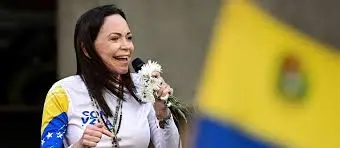
Maria Corina Machado has emerged as a significant force in Venezuelan politics, advocating for democracy and human rights amid the ongoing crisis in the country. With the backdrop of a nation facing economic turmoil, political oppression, and social unrest, Machado’s role is increasingly relevant, drawing attention both in Venezuela and the international community.
Political Background
Born on December 7, 1967, in Caracas, Machado has been politically active since her university days, initially being associated with the opposition party, COPEI. Her rise in the political sphere culminated in her election as a National Assembly member in 2010, where she quickly distinguished herself as a passionate advocate for change. Known for her fierce criticism of the Maduro regime, Machado has faced significant challenges, including threats to her safety and displacement from political office.
Recent Developments
In the lead-up to the 2024 presidential elections, Machado has regained momentum as a candidate for the presidency, calling for free and fair elections. Her campaign focuses on economic recovery, social justice, and an end to the authoritarian practices that have marked Maduro’s rule. On October 15, 2023, she announced her intention to run publicly, a move that has been met with both support and skepticism.
Machado’s commitment to a democratic Venezuela is unwavering. Recently, she participated in an international conference aimed at mobilising support for the Venezuelan democracy movement, successfully garnering endorsements from various international leaders and organisations, signalling a potential shift in global perspectives towards her candidacy.
Significance for the Future
Maria Corina Machado’s role is particularly significant as Venezuela approaches a critical crossroads in its political landscape. As she seeks to unite the opposition and appeal to a war-weary electorate, her ability to navigate the treacherous waters of Venezuelan politics will be crucial. Experts argue that her presence in the race could galvanise support for democratic renewal and potentially reshape the nation’s future.
Moreover, her resilience in the face of adversity has inspired many young Venezuelans, illustrating the power of grassroots activism and the demand for change. As international observers keep a close eye on the unfolding events, Machado represents both hope and the challenge of political transformation in Venezuela.
Conclusion
In conclusion, Maria Corina Machado’s influence in Venezuelan politics cannot be overstated. As she stands at the helm of a movement demanding democracy and justice, the implications of her candidacy are profound. Should she succeed in her bid for the presidency, the trajectory of Venezuela may alter significantly, making her a pivotal figure in the fight for its future.
