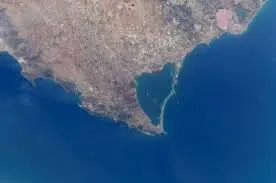
Introduction to Mar Menor
Mar Menor, a coastal lagoon located in the Murcia Region of Spain, is one of the largest saltwater lagoons in Europe. Its unique ecosystem hosts a vast array of marine life and provides significant economic benefits through tourism and fishing. However, this vital ecological site is currently facing severe environmental challenges due to pollution, climate change, and human activities. Understanding the significance of Mar Menor and the urgency of addressing its ecological crisis is crucial for conservation efforts and the health of surrounding communities.
Current Environmental Challenges
In recent years, reports have highlighted alarming levels of pollution in Mar Menor, primarily attributed to agricultural runoff, urban development, and improper waste disposal. The high influx of nutrients, especially nitrates and phosphates, has caused severe eutrophication, leading to oxygen depletion and the death of marine species. Studies indicate that between 2016 and 2021, approximately fifty percent of the lagoon’s seagrass, a vital habitat for various marine organisms, has been lost.
The Spanish government and environmental groups have been advocating for urgent measures to restore the lagoon’s ecological balance. Actions include the restoration of natural wetlands to filter pollutants, stricter regulations on agricultural practices, and the promotion of sustainable tourism in the region.
Recent Developments and Responses
In 2023, Spain’s Ministry for the Ecological Transition announced a new environmental plan aimed at rehabilitating the Mar Menor. The plan allocates 30 million euros for immediate cleanup efforts, alongside investments in research and monitoring to ensure the lagoon’s long-term recovery. Local fishermen and environmental activists have been collaborating to raise awareness about the crisis through various campaigns.
Conclusion: The Future of Mar Menor
The ecological crisis facing Mar Menor underscores the urgent need for concerted conservation efforts. As government agencies, environmental organizations, and local stakeholders work together to combat pollution and restore its ecosystems, the future of Mar Menor remains uncertain. However, with increased public consciousness and collaborative action, there is hope that this unique and vital resource can be preserved for future generations. It serves as a poignant reminder of the interconnectedness of human activities and environmental health, calling for responsible stewardship of our natural resources.
