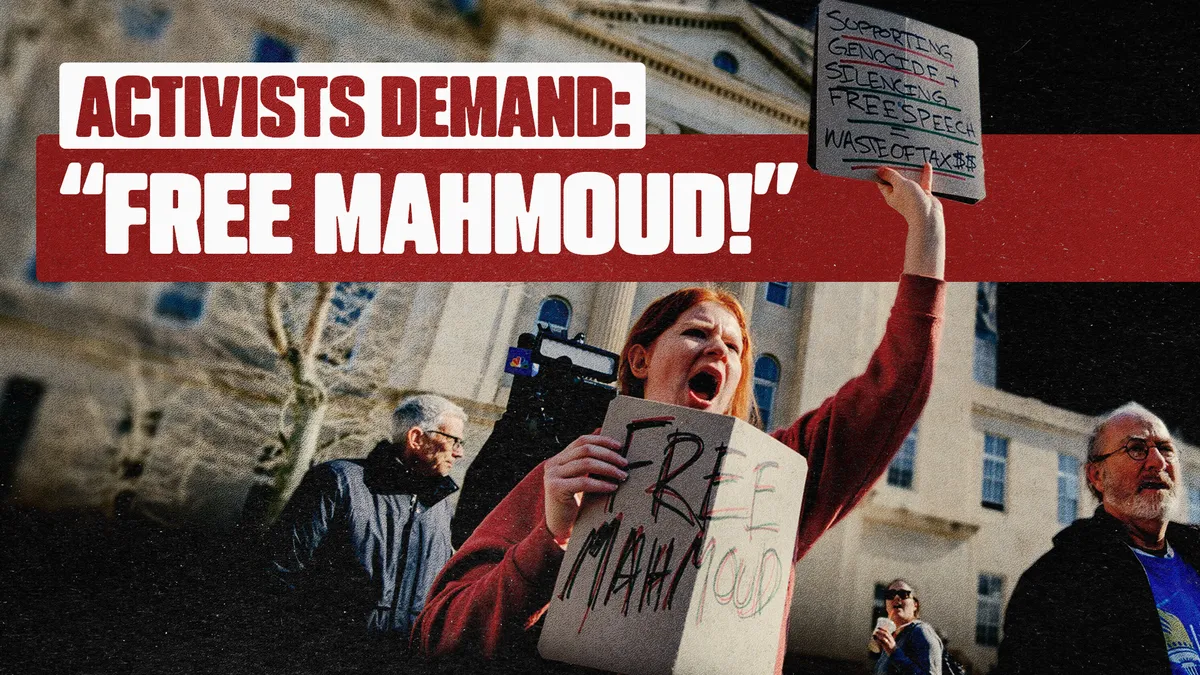
Impact of Mahmoud Khalil’s Detention
Mahmoud Khalil’s detention by Immigration and Customs Enforcement (ICE) has raised significant concerns regarding the treatment of immigrants and the implications for First Amendment rights. Detained on March 8, 2025, Khalil spent over 100 days in immigration custody, missing the birth of his first child during this period. His case has become emblematic of the broader issues surrounding the deportation of noncitizens who engage in political discourse, particularly regarding U.S. foreign policy.
Legal Proceedings and Consequences
Khalil’s legal team, consisting of more than 20 lawyers, has argued that his detention was likely unconstitutional. A federal judge ruled in favor of Khalil, granting him bail on June 20, 2025, after his prolonged detention. This ruling has set a precedent, highlighting the potential infringement on the First Amendment rights of immigrants who express dissenting views, particularly those related to the U.S. support for Israel amid the ongoing conflict in Gaza.
Public and Institutional Response
The response to Khalil’s situation has been multifaceted. NYC Mayor Zohran Mamdani publicly supported Khalil, inviting him to break the Ramadan fast at Gracie Mansion, emphasizing that “Mahmoud is a New Yorker, and he belongs in New York City.” This statement underscores the growing recognition of Khalil’s plight as part of a larger narrative about immigrant rights and academic freedom.
Khalil’s detention is part of a nationwide effort to deport noncitizens who voice opposition to U.S. policies, particularly those related to Israel. His activism has drawn attention to the challenges faced by immigrant communities in the U.S., particularly those who engage in political activism. Khalil himself stated, “I was absolutely targeted for what I represent, which is a student movement that erupted against the U.S. support for Israel,” highlighting the intersection of immigration enforcement and political expression.
Institutional Implications
The implications of Khalil’s case extend beyond his personal circumstances. It raises critical questions about the role of academic institutions in protecting the rights of their students and faculty. Khalil criticized Columbia University, stating, “They chose to ruin their brand, their institution, their academic freedom just to protect the interest of the Board of Trustees.” This sentiment reflects a growing concern among students and faculty about the impact of institutional policies on free speech and activism.
Looking Ahead
As Khalil’s legal battle continues, the outcome could have far-reaching effects on the rights of immigrants and the ability to express dissent in the U.S. The case is being closely monitored by civil rights organizations and advocates for immigrant rights, who see it as a potential turning point in the fight for First Amendment protections. Details remain unconfirmed regarding the next steps in Khalil’s legal proceedings, but the stakes are high as the implications of this case resonate across the nation.
