Introduction
Madagascar, the fourth largest island in the world, is renowned for its extraordinary biodiversity and rich cultural heritage. As an isolated landmass for over 80 million years, approximately 90% of its wildlife is endemic, making it a vital area for conservation and study. The significance of Madagascar lies not only in its natural wonders but also in its social and economic challenges, which have been highlighted by recent events.
Current Events in Madagascar
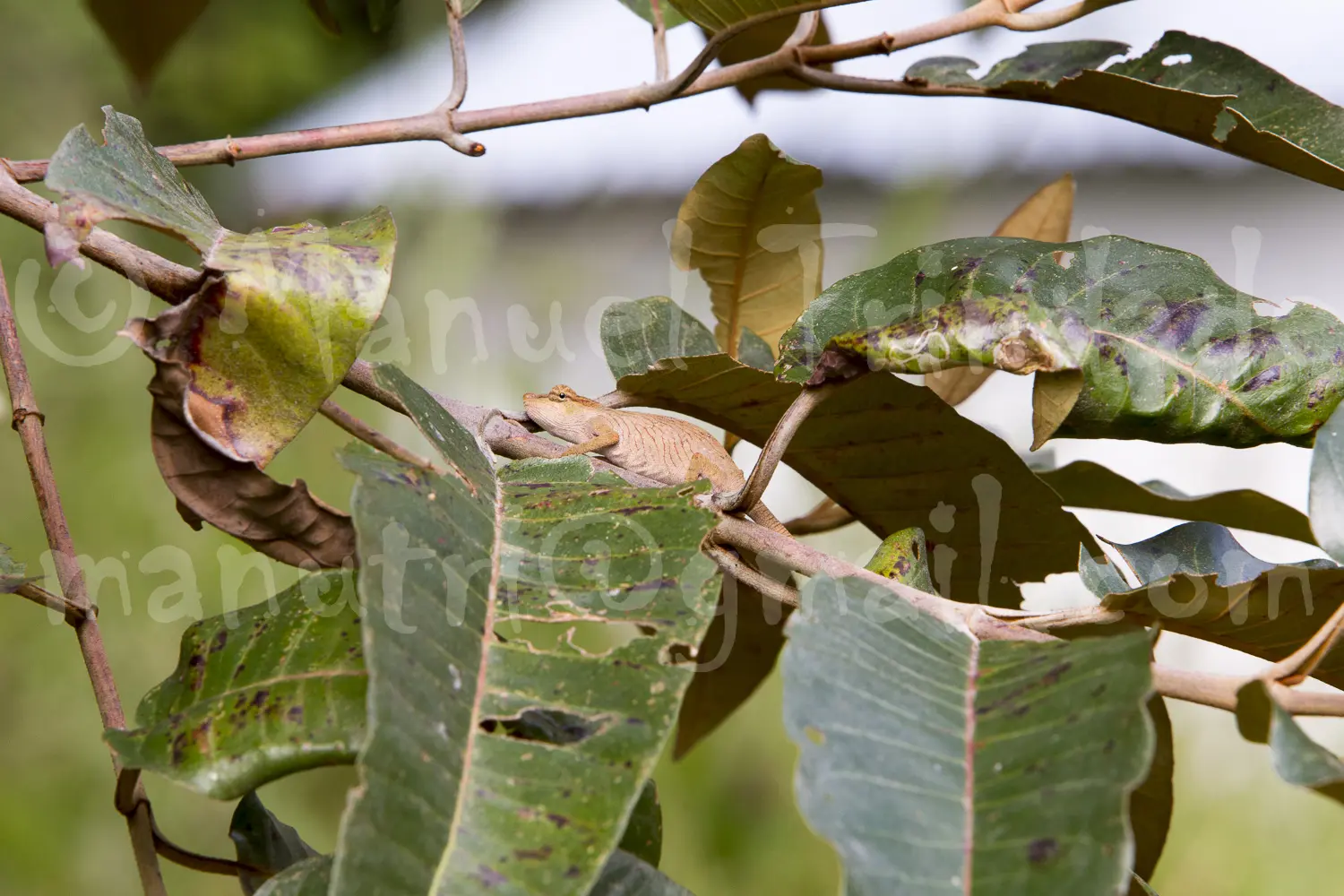
In recent months, Madagascar has been facing severe environmental issues due to deforestation and climate change. Reports show that approximately 4,000 hectares of forest are lost each year, threatening habitats of unique species like lemurs, chameleons, and baobab trees. Environmental groups have called for urgent measures, emphasizing the importance of sustainable practices and conservation efforts.
Additionally, Madagascar’s governmental efforts to promote tourism include the launch of new infrastructure projects aimed at boosting the local economy. In July 2023, the government introduced a tourism campaign, “Madagascar: In Nature We Trust,” that focuses on eco-tourism and responsible travel. This initiative seeks to attract eco-conscious tourists who can appreciate the island’s unique ecosystems while providing economic support to local communities.
Challenges and Opportunities
Despite its breathtaking landscapes and rich culture, Madagascar faces serious challenges, including poverty and political instability. The recent political turmoil led to decreased foreign investments, affecting various sectors. However, international organisations and NGOs have increased their developmental projects in the region. Collaborative efforts aim to uplift rural areas through educational and health initiatives, while encouraging environmental sustainability.
Conclusion
Madagascar’s unique position as a treasure trove of biodiversity highlights its importance in global ecological studies. With conservation efforts underway and new tourism strategies implemented, the island is at a crucial turning point. While challenges remain, the commitment of both governmental and non-governmental entities to preserve Madagascar’s rich natural heritage provides hope for the future. For readers, the developments in Madagascar reflect not only an opportunity to engage with a remarkable culture and environment but also the responsibility to support sustainable practice and conservation efforts in the face of ongoing challenges.
