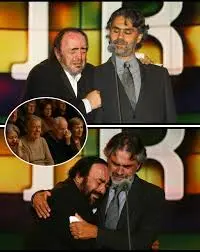
The Importance of Luciano Pavarotti
Luciano Pavarotti, regarded as one of the greatest tenors of the 20th century, left an indelible mark on the world of classical music. His unique vocal quality, charismatic stage presence, and ability to bring opera to a wider audience transformed the perception of classical music and made it accessible to millions. Pavarotti’s death on September 6, 2007, at the age of 71, was not only a profound loss for the music world but also a significant cultural moment that continues to resonate today.
Events Surrounding His Passing
Pavarotti passed away after a long battle with pancreatic cancer, a struggle that he had publicly acknowledged in the years leading up to his death. His passing sparked an outpouring of tributes from fellow musicians, fans, and world leaders alike, reflecting the universal appeal and respect he commanded. Renowned figures such as Placido Domingo and Andrea Bocelli paid tribute to him, applauding his incredible contributions to music and opera.
The Legacy of Pavarotti
In the years following his death, Pavarotti’s legacy has continued to thrive. His performances, such as the iconic ‘Three Tenors’ concerts, remain popular and have introduced opera to audiences who might not have otherwise experienced it. The ‘Pavarotti and Friends’ concerts raised millions for humanitarian causes, showcasing his commitment to using his platform for good. Furthermore, his recordings continue to be bestsellers, preserving his voice for future generations. The Luciano Pavarotti Foundation, established in his memory, also supports young artists and charitable causes, ensuring his philanthropic values endure.
Significance for Future Generations
Pavarotti’s impact stretches beyond his immediate audience, influencing many contemporary artists across various genres. His ability to fuse classical music with popular culture paved the way for a new generation of artists, encouraging cross-genre collaborations that blur the lines between different musical styles. As opera becomes more integrated into popular culture, Pavarotti’s influence can be seen in the work of modern performers who blend classical training with pop sensibilities.
Conclusion
In conclusion, Luciano Pavarotti’s death marked the end of an era for opera, but his enduring legacy continues to shape the musical landscape. The influence of his artistry and humanitarian efforts ensures that he will remain a towering figure in the world of music for years to come. His contributions have not only enriched the lives of those who witnessed his performances, but also inspired countless individuals to appreciate the beauty of opera. As we remember Pavarotti, we celebrate a man whose voice will never truly fade.
