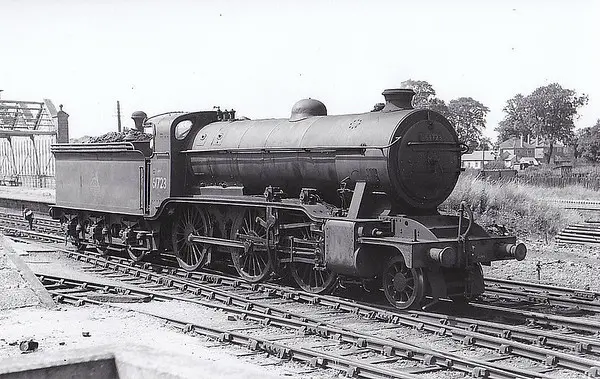
Introduction to LNER
London North Eastern Railway (LNER) is a crucial player in the UK’s railway network, connecting major cities like London, York, and Edinburgh. As travel demand continues to grow post-pandemic, the importance of efficient train services is paramount. LNER is actively addressing these demands by innovating and enhancing its offerings, making it a vital subject of interest for the public and transport enthusiasts alike.
Current Developments
Recently, LNER has announced a series of upgrades aimed at improving passenger experience across its services. The company has implemented a new digital ticketing system, allowing for more streamlined bookings and boarding processes. This system is designed to make travel more accessible while reducing queue times at stations.
In addition to improved ticketing, LNER is also investing heavily in its fleet with the introduction of new trains. The Azuma trains, which began rolling out in 2019, continue to receive favourable reviews for their speed, reliability, and comfort. These modern trains reduce emissions and enhance fuel efficiency, aligning with LNER’s commitment to sustainability.
Customer Experience Enhancements
To further enhance customer satisfaction, LNER has introduced a new onboard catering service, which allows passengers to pre-order meals and snacks. This service aims to accommodate dietary preferences and ensure that passengers can enjoy a meal during their journey without the hassle of limited on-board options.
Moreover, LNER has launched several initiatives to improve communication with its passengers. The implementation of real-time updates via mobile applications ensures that travellers stay informed about changes to their journey, promoting a more seamless travel experience.
Impact on the Rail Industry
The changes implemented by LNER have broader implications for the UK rail industry as a whole. By prioritising customer experience, sustainability, and technological advancements, LNER sets a benchmark that encourages other train companies to follow suit. With competitors closely watching its innovations, the pressure is on for all rail operators to adapt to a shifting market that increasingly values convenience and environmental responsibility.
Conclusion
In summary, LNER is not only redefining its services but is also poised to influence the future of train travel in the UK. With strategic investments in technology, customer experience, and sustainability, the company is setting the scene for a more efficient and enjoyable travel environment. As these trends continue to evolve, the significance of LNER’s role in the rail sector will likely increase, making it an essential topic for both current and prospective passengers to watch in the coming years.
