Introduction
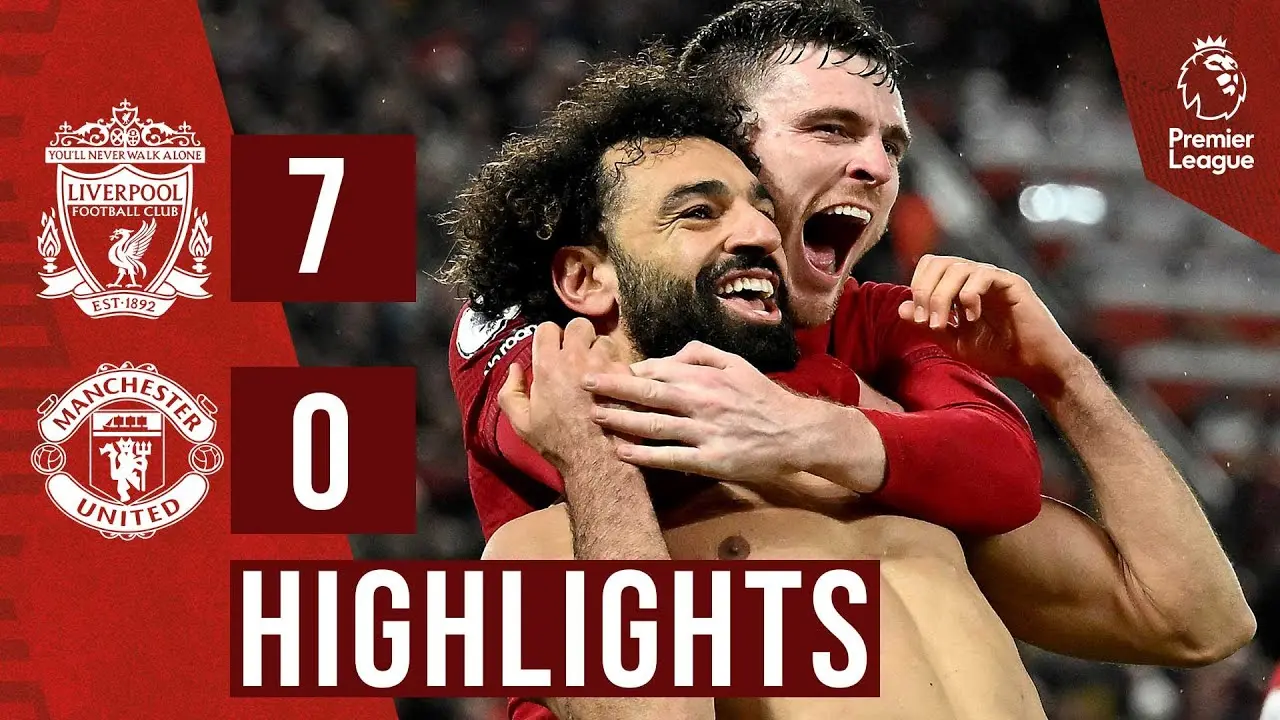
The rivalry between Liverpool and Manchester United is one of the most historic and intense in English football, drawing passion and dedication from millions of fans worldwide. This fierce competition not only highlights the history and achievements of both clubs, but it also reflects the cultural and social dynamics of the cities they represent. As two of the most successful teams in English football, their matches often have profound implications for league standings, fan morale, and player legacies.
Historical Significance
The rivalry dates back to the late 19th century, with the first official match taking place in 1894. Since then, Liverpool and Manchester United have faced each other over 200 times across various competitions, each clash fuelling a storied narrative filled with memorable moments. Liverpool has historically dominated in terms of overall titles won, while Manchester United holds a significant edge with more Premier League victories. This backdrop adds layers to each encounter, with fans following the intense back-and-forth battles that have occurred.
Recent Developments
In recent years, both clubs have experienced shifts in management and personnel, affecting their performances on the pitch. As of October 2023, Liverpool, under the management of Jürgen Klopp, is in pursuit of reinstating their former dominance, while Manchester United, managed by Erik ten Hag, is working to restore their status as a top contender. Their latest fixture will take place on December 9, 2023, and is eagerly awaited by fans. Recent matchups have demonstrated the competitiveness of both squads, with strong performances influencing the title race and European qualifications.
Community Impact and Fan Engagement
The Liverpool vs Manchester United matches are more than just games; they are community events that bring together supporters from different backgrounds. Both clubs feature fan bases that extend globally, contributing to significant economic impacts in their respective cities. Local businesses often report boosts in trade around match days, while charities may benefit from fundraisers linked to the proceeds from these events. In an era of increased commercialisation in football, this rivalry remains a unifying force for communities, sparking passion and camaraderie.
Conclusion
The ongoing Liverpool vs Manchester United rivalry is not simply a football contest; it is a deep-rooted cultural phenomenon that continues to evolve with every match. As both clubs strive to reclaim their places at the pinnacle of English football, fans are treated to thrilling encounters filled with ambition and excitement. Looking ahead, the significance of this rivalry is likely to endure, inspiring future generations of players and supporters, further solidifying its place in the fabric of English football history.
