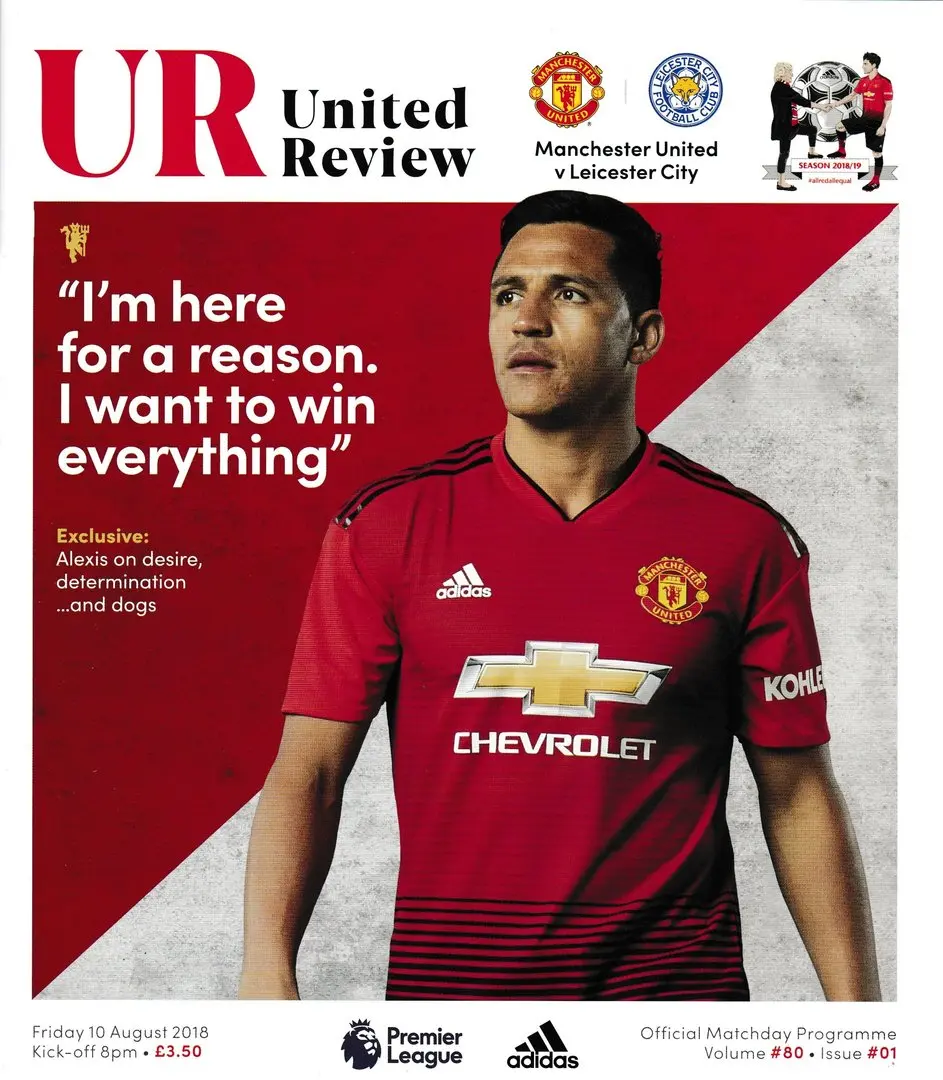
Introduction
Manchester United Football Club, one of the most storied clubs in world football, has been making headlines recently due to its ongoing transition and various challenges. Founded in 1878 and based in Greater Manchester, the club has a vast global following and significant influence on both English and international football. With recent management changes, player acquisitions, and performances, Manchester United remains a pivotal topic for fans and analysts alike.
Recent Performance
This season, Manchester United has shown a mix of brilliance and inconsistency in Premier League fixtures. Under the management of Erik ten Hag, the team has aimed to reclaim its status among the top teams in England. As of October 2023, United is currently fighting for a top-four finish in the league, showing flashes of skill with standout performances from players like Bruno Fernandes and Marcus Rashford. However, they have faced criticism for their defensive frailties and inability to close out matches.
Management Changes
The management of Manchester United has also been a focal point. After a lackluster early start to the season, speculation grew about Erik ten Hag’s future, with some sections of the fanbase calling for a change. However, club officials have defended the manager, highlighting the progress made since his appointment in 2022. Ten Hag has focused on integrating youth into the squad, evident from the emergence of young talents such as Alejandro Garnacho.
Player Transactions
The summer transfer window saw Manchester United making several notable signings. The arrival of Rasmus Højlund from Atalanta has sparked excitement among supporters, as the young striker is seen as the future star of the club. Conversely, the transfer saga surrounding the potential exit of star forward Jadon Sancho has raised eyebrows, with speculation ongoing about his future following inconsistent performances.
Impact of Fan Engagement
Fan engagement remains an integral part of Manchester United’s identity, and the club has made efforts to connect with supporters both locally and internationally. Initiatives like “United We Stand” allow fans to voice their opinions and participate actively in discussions about club direction. With the rise of social media, fans have also mobilised to influence club decisions, reflecting the modern landscape of football fandom.
Conclusion
As Manchester United navigates this transitional phase, the direction of the club remains uncertain. Fans will be monitoring upcoming matches to see if the team can find consistency and build momentum in the league. The importance of player development and management decisions will be vital for the club’s long-term success. For supporters worldwide, the journey continues, with hopes that Manchester United will once again rise to the pinnacle of English football.
