Introduction
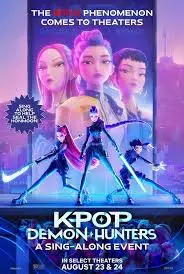
The gaming industry has seen a significant rise in the popularity of unique genre fusions, and the newly released Kpop Demon Hunters 2 exemplifies this trend. Merging the vibrant world of K-pop with the thrilling elements of action-adventure gaming, this title has quickly captured the attention of fans worldwide. With a growing interest in both K-pop and gaming culture, the game brings forth a fresh and engaging experience that resonates with a diverse audience.
The Concept of Kpop Demon Hunters 2
Kpop Demon Hunters 2 builds on the foundations established by its predecessor, introducing players to an enhanced narrative where they not only battle against various demons but also engage with beloved K-pop idols. The game integrates rhythm-based elements, allowing players to unlock special powers and abilities by mastering various K-pop songs. As players progress, they can form teams with virtual versions of their favourite idols, adding an extra layer of excitement and connection.
Gameplay Features
The gameplay incorporates a mix of action, strategy, and rhythm challenges, ensuring a dynamic experience. Players can explore diverse environments while tackling quests that often involve defeating unique demon bosses. Additionally, the inclusion of K-pop tracks energises each battle, making the rhythm mechanics pivotal to mastering the game.
Recent updates have introduced new characters, including popular K-pop stars who have lent their voices to the game, enhancing the authenticity of the experience. Furthermore, events tied to real-world K-pop concerts and music releases offer in-game bonuses, strategically engaging players in both the music and gaming realms.
Community Response and Future Prospects
The response from the gaming community and K-pop fans has been overwhelmingly positive. Players have taken to social media platforms to share their experiences, create fan art, and participate in discussions about strategies and character pairings. Industry analysts speculate that such a crossover could pave the way for more games that integrate music culture with interactive entertainment, appealing to a broader demographic.
Conclusion
Kpop Demon Hunters 2 represents an innovative stride in merging two vibrant communities – gaming and K-pop. The synergy of music and gameplay not only attracts K-pop fans but also opens up gaming to a diverse audience that appreciates this unique crossover. As the game continues to evolve with updates and community feedback, it sets a powerful precedent for future games that seek to break traditional boundaries, transforming how fans engage with their favourite artists and the gaming experience overall.
