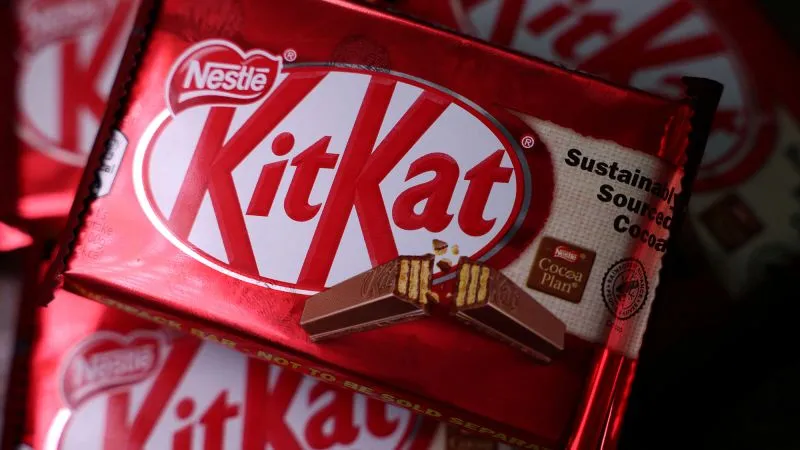
On March 30, 2026, a significant theft occurred in Europe when thieves stole more than 400,000 KitKat chocolate bars, weighing around 12 tons, from a distribution truck. The vehicle was transporting the bars from a factory in central Italy to Poland when the heist took place.
The exact number of stolen bars was reported as 413,793, each of which is traceable through on-pack batch numbers. This incident highlights a growing trend in cargo theft, which has become increasingly sophisticated, according to a joint report from IUMI and TAPA EMEA.
In response to the heist, a spokesperson for Nestlé quipped, “We’ve always encouraged people to have a break with KITKAT – but it seems thieves have taken the message too literally and made a break with more than 12 tonnes of our chocolate.” Despite the scale of the theft, KitKat has reassured consumers that there are no concerns for safety, and supply chains remain unaffected.
This incident is not an isolated case; it follows a series of high-profile chocolate thefts in Europe. For instance, a British man was sentenced to 18 months in jail in July 2023 for stealing 200,000 chocolate eggs, illustrating a pattern of food-related crimes.
The KitKat heist has also gained traction on social media, becoming a viral topic as people react to the unusual nature of the crime. The public’s fascination with the incident underscores the broader implications of such thefts on supply chains across Europe.
As authorities investigate the theft, the impact on the chocolate industry remains to be seen. Nestlé has warned that losses like these could threaten supply chains, potentially affecting availability in the market.
Overall, the KitKat heist serves as a reminder of the vulnerabilities within cargo transport and the increasing prevalence of freight fraud. As the investigation unfolds, more details may emerge regarding the perpetrators and their motives.
