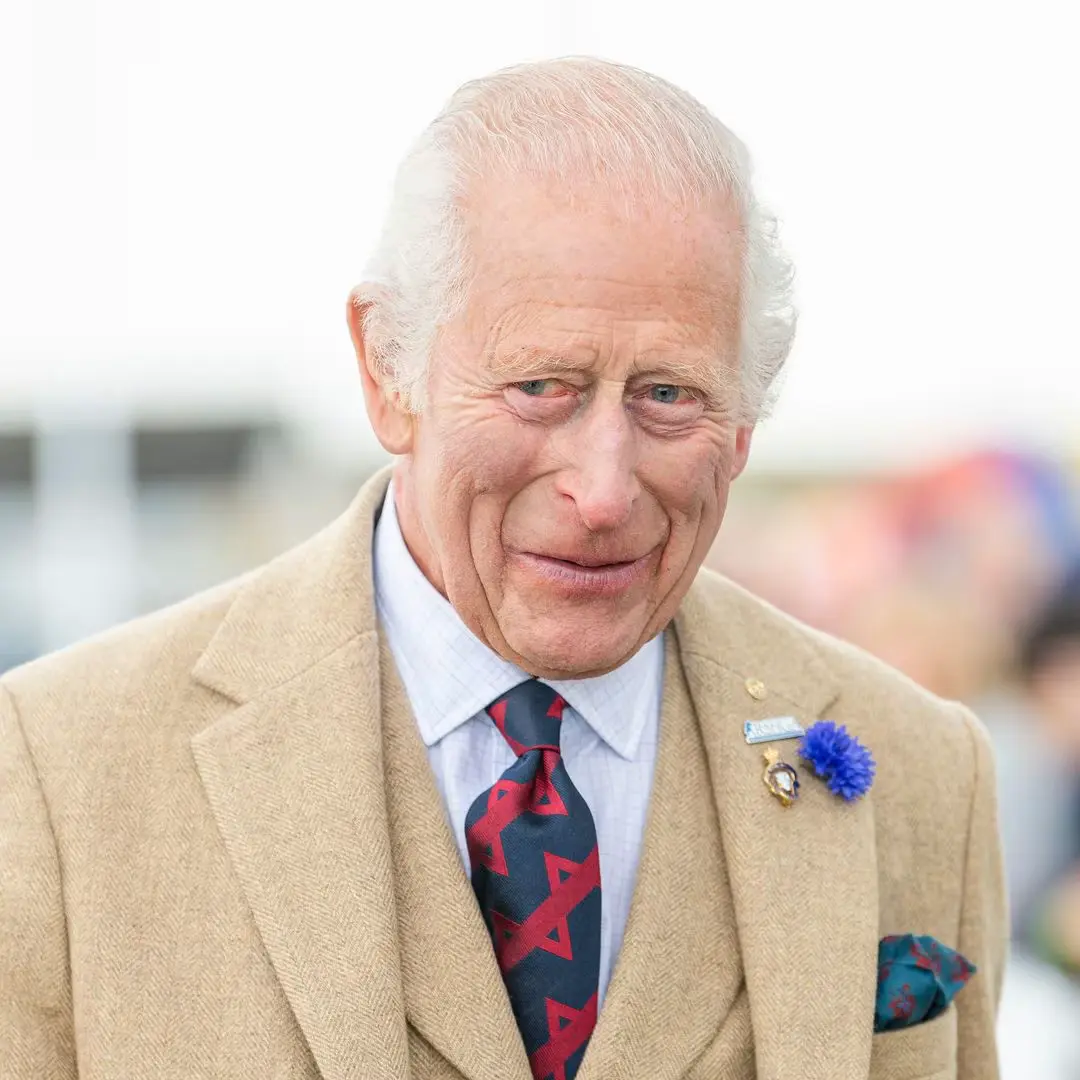
Introduction
The ascension of King Charles III has undoubtedly marked a significant turning point for the British monarchy. Following the passing of Queen Elizabeth II, his reign embodies both continuity and change within a royal institution at a pivotal moment in history. With his long-standing dedication to various social causes and his vision for a modern monarchy, King Charles is poised to navigate the complexities of contemporary society while honouring the traditions of his predecessors.
Major Events and Developments
Since his accession in September 2022, King Charles III has undertaken numerous engagements that reflect his commitment to public service and national unity. For instance, he actively participated in the Commonwealth Heads of Government Meeting in 2023, where he emphasised the importance of collaboration across member states in addressing global challenges, including climate change, poverty, and health crises.
As part of his efforts to revitalise the royal family’s image, King Charles has also introduced initiatives aimed at promoting sustainability and environmental awareness. His longstanding advocacy for ecological concerns gained newfound urgency during the recent COP26 climate summit, where he urged world leaders to act decisively to combat climate issues. This demonstrates his intent to intertwine royal duties with pressing global matters.
Challenges Ahead
However, the path forward is fraught with challenges. King Charles faces the enduring scrutiny of the monarchy in an increasingly republican-leaning sentiment among some sections of the British public. Recent opinion polls indicate a complex relationship with the institution, where while the King himself enjoys popularity, the monarchy’s legacy is being reassessed. Issues pertaining to the royal family’s transparency and relevance in modern society further complicate this dynamic.
Conclusion
As King Charles III continues to lead, his ability to engage with the public meaningfully and adapt to changing societal expectations will be crucial. Should he succeed in these endeavours, he stands to energise the monarchy and cement his legacy as a forward-thinking monarch. The future remains uncertain, but the early signs suggest a determined effort to align the monarchy closer to the people it serves, fostering a renewed commitment to charitable causes and public engagement. For readers and royal observers, these developments signal an ongoing evolution in the relationship between the monarchy and the public in the United Kingdom.
