Introduction
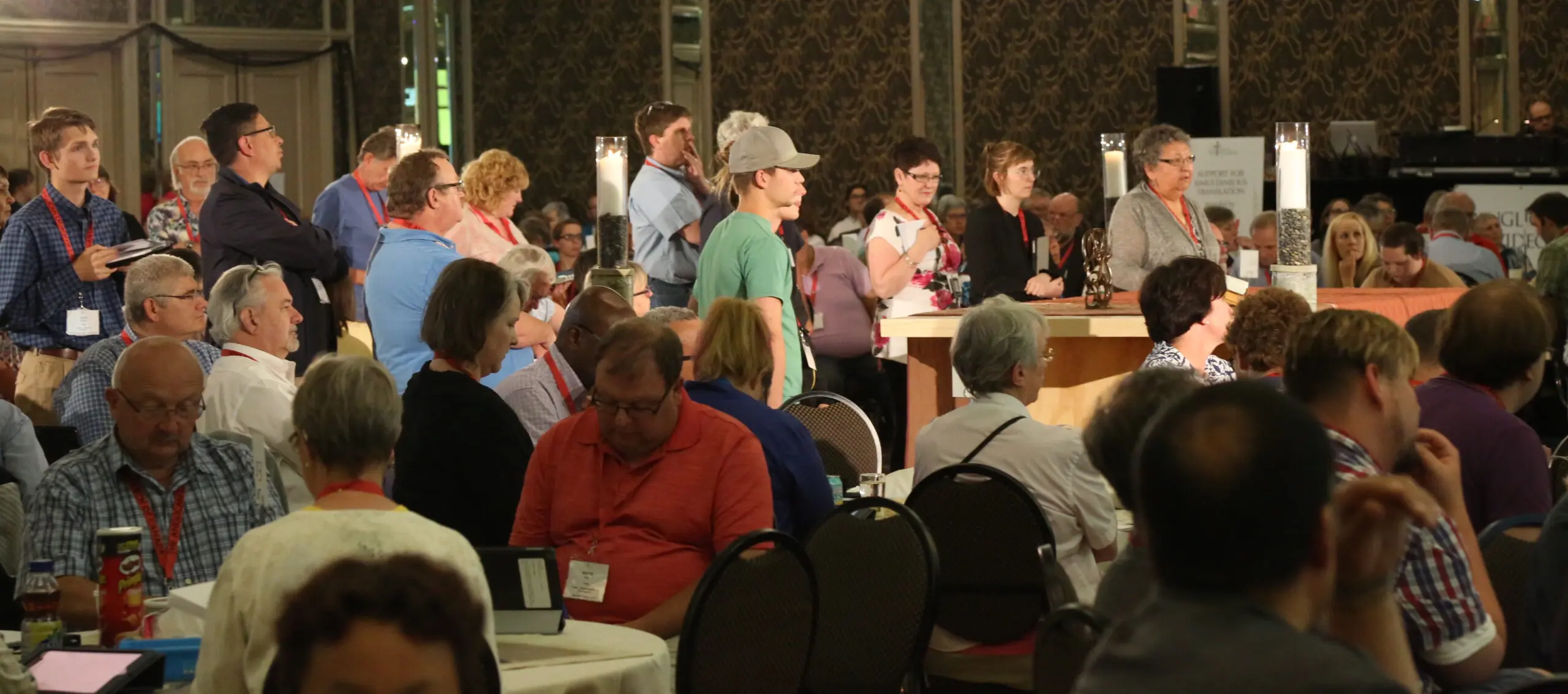
The General Synod, the governing body of the Church of England, met today to discuss a range of pressing issues affecting the church and wider society. As the church faces critical decisions on matters such as climate change, women’s rights, and inclusivity, the discussions and resolutions from this assembly are of significant relevance to both congregants and observers. The outcomes from today’s session could have long-lasting impacts on the church’s direction and its role in the contemporary world.
Main Body
Among the notable topics discussed at the General Synod today was the ongoing debate regarding gender equality within the church. A motion was presented advocating for increased representation of women in leadership roles, encouraging parishes to adopt measures to promote inclusivity. The motion received overwhelming support, signalling a commitment to addressing gender disparity in church governance.
Another significant subject was the church’s response to climate change. The Synod unanimously affirmed its commitment to achieving net-zero carbon emissions by 2030, reinforcing the church’s responsibility as a moral leader in environmental issues. This resolution aligns with the Church of England’s broader strategy for sustainability and addresses urgent concerns about the ecological crisis.
Additionally, the Synod took time to reflect on the church’s approach to LGBTQ+ issues, with discussions focusing on inclusivity and acceptance. A proposal was made to create a dedicated task force aimed at exploring ways to make the church more welcoming to LGBTQ+ members. The response to this proposal was mixed, reflecting the ongoing divisions within the church on this issue. Nevertheless, it sparked important dialogue and highlighted the need for compassion and understanding in theological discussions.
Conclusion
The events of today’s General Synod meeting showcased a church grappling with modernity and its implications for governance, doctrine, and community outreach. With firm resolutions on gender equality and environmental stewardship, the Church of England appears poised to take significant steps towards progressive change. The divergent views on LGBTQ+ inclusion, however, highlight the complexities that still lie ahead. As the church navigates these critical issues, it will be essential for the wider community to engage with and support these dialogues, reflecting the diverse perspectives that enrich the church’s mission in a changing world.
