Introduction
The British passport is not just a travel document; it symbolises citizenship and the rights accorded to citizens of the United Kingdom. With the changing global landscape and Brexit’s implications, the significance of the British passport has evolved, making it a topic of considerable interest for travellers and citizens alike. As the UK navigates its post-Brexit identity, understanding the intricacies of the British passport is essential for those looking to travel, work, or live abroad.
Current Developments and Features
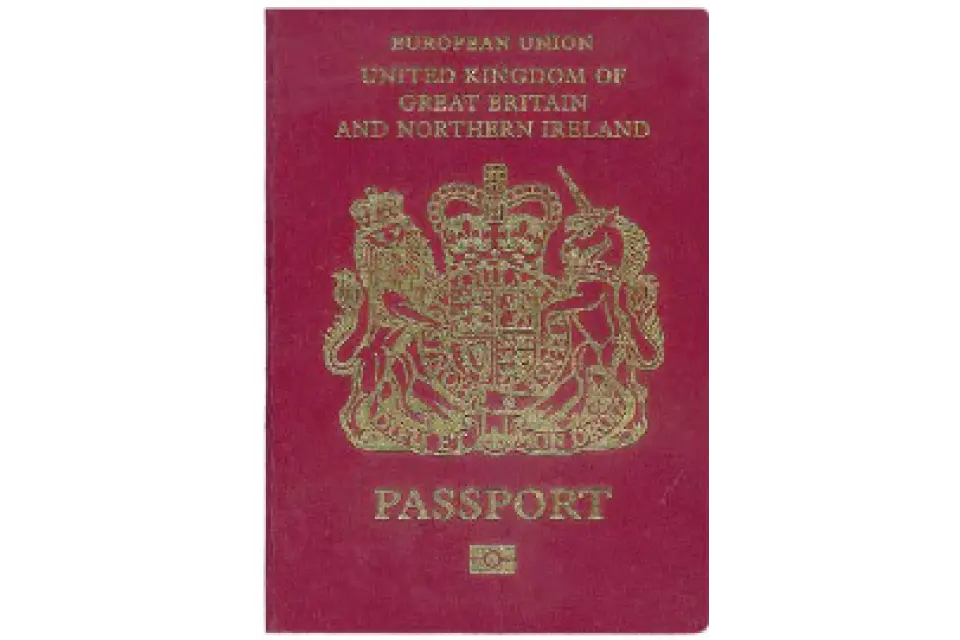
The British passport is recognised for its distinctive navy blue cover, which was restored in 2020 after the UK’s exit from the European Union. This change reflects a significant shift in national identity, moving away from the EU’s burgundy passport. Recent statistics indicate that as of 2023, nearly 4.5 million British passports are issued annually, a number that rose sharply post-pandemic as travel restrictions eased.
Moreover, the features of the British passport have continuously advanced to ensure security and accessibility. Integrated biometrics, advanced chip technology, and enhanced fraud prevention measures have been incorporated to protect against forgery and identity theft. The Home Office has reported a substantial decrease in fraudulent applications due to these improvements.
Services and Applications
For citizens wishing to obtain or renew their British passport, the process can be completed online, which has streamlined applications significantly. As of October 2023, the online application service has reduced processing times to around 10 weeks, with urgent applications being processed faster at a premium cost. Additionally, the introduction of the International Travel Scheme allows British citizens to experience expedited travel across many countries.
Conclusion
The British passport remains a pivotal element of British identity and global mobility, especially in a post-Brexit world. Its evolving features and improved application processes ensure that it meets the needs of today’s travellers. As international relations continue to shift, the importance of having a British passport also escalates, facilitating travel and connectivity across borders. Future developments, both in security measures and international agreements, will play a significant role in shaping the value and importance of the British passport for generations to come.
