Introduction
The topic of inheritance tax has resurfaced recently in UK political discourse, especially following statements made by Labour Party leader Keir Starmer. As wealth inequality continues to be a pressing issue in the UK, discussions around how to address this through taxation policies are becoming increasingly relevant. Starmer’s views on inheritance tax could shape the economic landscape and party policies leading up to the next general election.
Keir Starmer’s Position
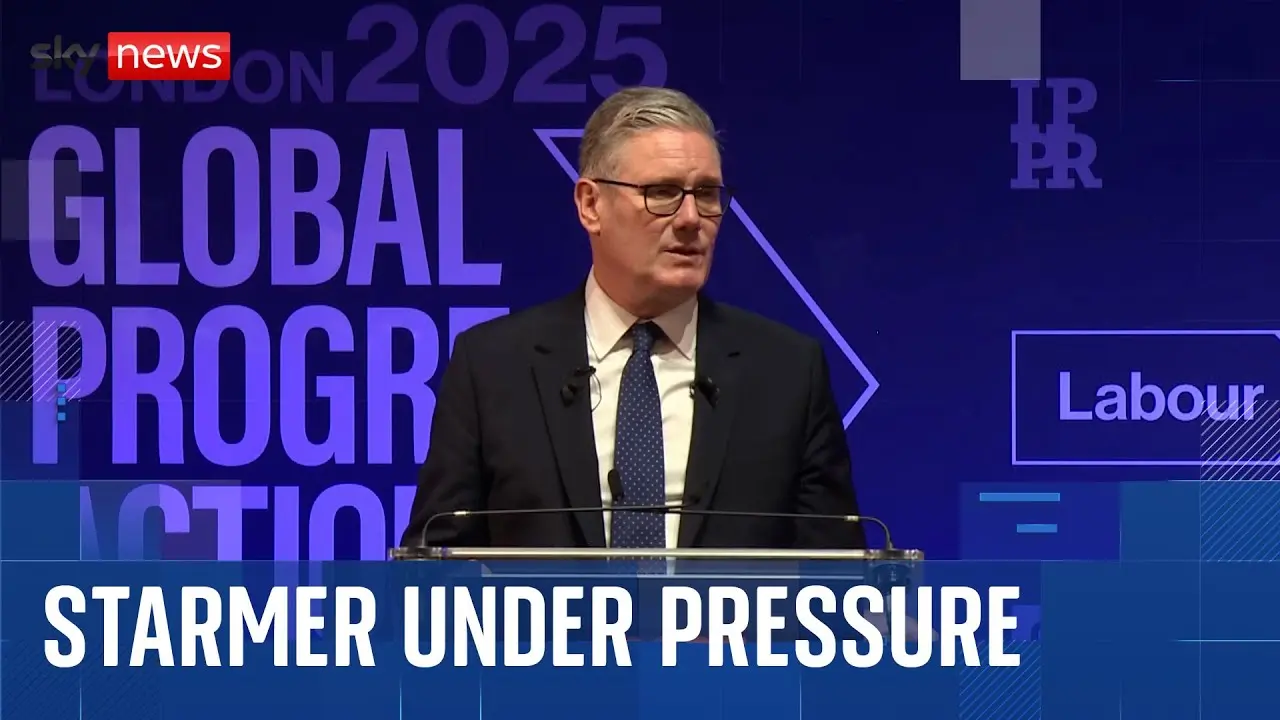
Keir Starmer has expressed a commitment to reforming the inheritance tax system, arguing that it currently favours the wealthy and perpetuates economic inequality. During a recent speech, he highlighted that the existing thresholds and rates have not been updated to reflect today’s economic realities, thus disproportionately benefiting those with significant assets. Starmer has indicated a preference for a more progressive taxation system where wealthier individuals contribute a fairer share through inheritance tax.
Recent Events
In a recent interview, Starmer proposed that the inheritance tax thresholds be adjusted and that the system should be simplified to make it more equitable. He suggested that this reform could be an integral part of Labour’s platform, especially as the party prepares for the upcoming elections. The proposed changes would potentially lower the threshold for tax payments on estates, aiming to increase revenue that could be invested back into public services. This move has triggered reactions from politicians across the spectrum, especially from the Conservative party, which calls the plan ‘a tax grab’ that could affect middle-class families.
Impact and Future Outlook
The debate surrounding inheritance tax is likely to intensify as more details about Starmer’s proposals emerge. Critics argue that adjusting inheritance tax in a downturn could hinder economic recovery, while supporters contend that the wealthy should bear a heavier burden in restoring fiscal health. As opinion polls reflect a potentially shifting landscape, public reception to Starmer’s proposals could play a crucial role in Labour’s electoral success.
Conclusion
Keir Starmer’s stance on inheritance tax not only underscores the Labour Party’s approach to addressing wealth inequality but also highlights a broader concern about how wealth is distributed in the UK. As the conversation continues, it will be essential for voters to engage with these discussions, considering how proposed changes may affect their financial futures and the overall economic climate in the UK.
