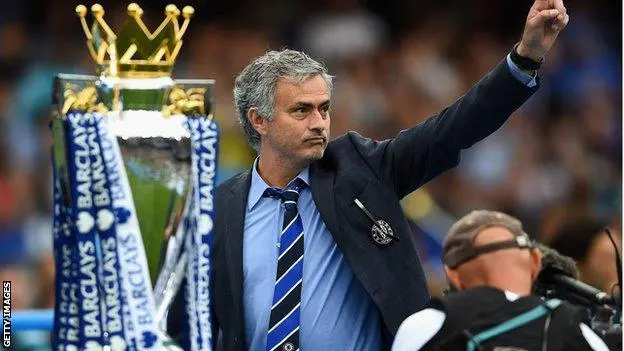
Introduction
José Mourinho, one of the most influential figures in modern football management, has made a significant impact across multiple leagues worldwide. Known for his tactical acumen and charismatic presence, Mourinho’s approach to the game has generated both admiration and controversy. Understanding his journey and contributions is vital for football fans and aspiring managers alike, as it highlights the evolution of coaching in the sport.
Career Overview
Born on January 26, 1963, in Setúbal, Portugal, José Mourinho began his career as a manager in the late 1990s. He first gained international recognition with FC Porto, where he led the team to a UEFA Champions League title in 2004. This success quickly propelled him to Chelsea, where he became the first manager to win back-to-back Premier League titles in 2005 and 2006.
His tenure at Chelsea marked the beginning of a managerial journey that would see him take charge of some of the biggest clubs in Europe, including Inter Milan, Real Madrid, and Manchester United. Each club experienced both triumph and turmoil under his stewardship, a testament to his complex and often polarising style of management.
Recent Developments
Currently, Mourinho is managing AS Roma in Italy’s Serie A. He made history by leading the team to victory in the inaugural UEFA Europa Conference League in 2021, adding another prestigious trophy to his illustrious career. As of October 2023, AS Roma is sitting competitively in the league, showing signs of recovery after a mixed season last year. Mourinho continues to demonstrate his ability to revive struggling teams and navigate through challenging circumstances.
Philosophy and Influence
Mourinho is known for his pragmatic approach to football, often prioritising defence and tactical discipline. He has frequently employed a counter-attacking style of play, which has been both criticised and praised depending on its effectiveness in various matches. His infamous quotes and larger-than-life persona have captivated audiences, while his meticulous preparation and adaptability in matches have made him a respected figure in coaching circles.
Conclusion
José Mourinho’s legacy in football management is undeniable. His unique blend of tactical skill, psychological insights, and an ability to handle high-pressure situations has made him a distinctive figure in the sport. As he continues to evolve in his role at AS Roma, the football world remains eager to witness how he adapts and challenges himself in the coming seasons. For fans and analysts, Mourinho’s career offers invaluable lessons on resilience and the complexities of football management.
