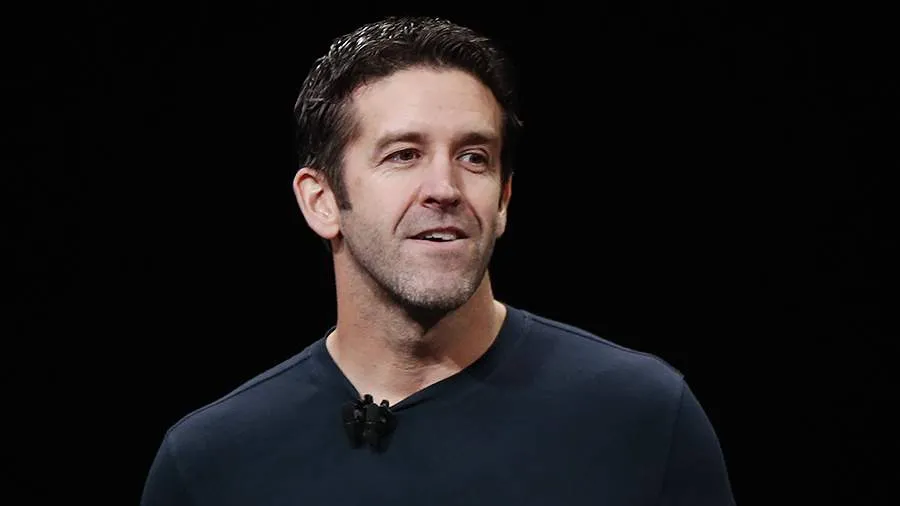
John Ternus’s appointment as the next CEO of Apple represents a critical juncture for one of the world’s most valuable companies. Effective September 1, 2026, he will take over from Tim Cook, who has led Apple since 2011. This transition is not merely a change in title; it signals a potential shift in strategy and innovation at a time when technology is rapidly evolving.
Tim Cook’s tenure has been remarkable. Under his leadership, Apple’s market capitalization soared from approximately $350 billion to an astonishing $4 trillion. Revenue nearly quadrupled during this period, climbing from $108 billion in fiscal year 2011 to over $416 billion in fiscal year 2025. Such numbers underscore the magnitude of Cook’s impact on Apple, making it the world’s most valuable company.
But what does this mean for Ternus? Having joined Apple in 2001, he has spent 25 years with the company, rising through the ranks to become vice president of Hardware Engineering by 2013. His experience encompasses overseeing groundbreaking products across all categories—an essential factor as Apple faces challenges in integrating artificial intelligence into its offerings.
Ternus’s focus on product innovation will be crucial. As technology continues to advance at breakneck speed, how Apple adapts under his leadership could determine its competitive edge. The tech landscape is shifting, with AI becoming increasingly central to consumer products and services. Can Ternus harness this momentum? His track record suggests he may be well-equipped to tackle these challenges.
Cook will remain at the helm through the summer to ensure a smooth transition—a strategic move that reflects his commitment to maintaining stability during this pivotal change. He will also assume the role of executive chairman of Apple’s board of directors effective September 1, thereby retaining influence over the company’s direction.
Arthur Levinson will step into the role of lead independent director on the same day, marking another layer of leadership evolution within Apple. Levinson has been a non-executive chairman for 15 years and brings considerable experience to his new position—an essential factor as Ternus takes charge.
As we look ahead, uncertainties remain about how Ternus will shape Apple’s future. Will he maintain Cook’s strategies or forge his own path? Details remain unconfirmed regarding specific initiatives or changes he plans to implement upon taking office.
This historic CEO transition—the first since Tim Cook succeeded Steve Jobs—will undoubtedly have lasting implications for Apple and its stakeholders. The eyes of investors and consumers alike are now fixed on how John Ternus will carry forward Apple’s mission into an uncertain but exciting technological future.
