Introduction
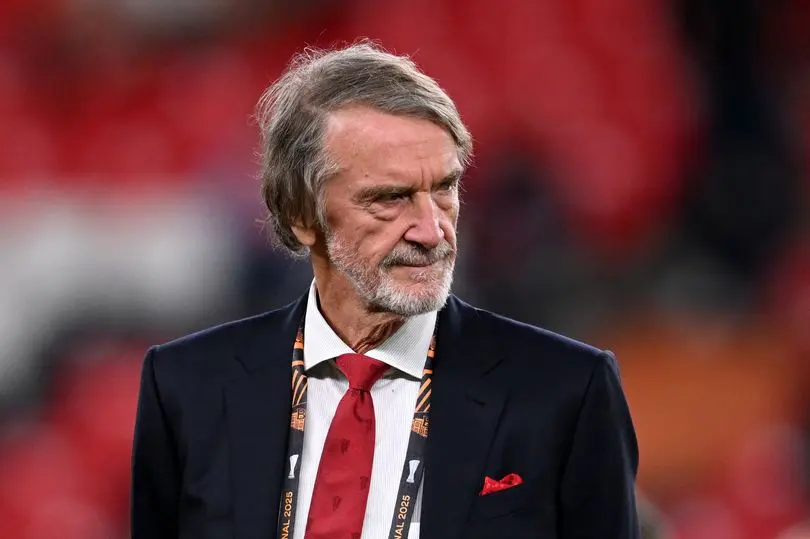
Jim Ratcliffe, the British billionaire and founder of chemical giant INEOS, has made headlines with his recent interest in Manchester United. As the club faces challenges both on and off the pitch, Ratcliffe’s involvement is seen as a potential turning point for the storied football team. This development is important not only for Manchester United supporters but also for the broader landscape of English football.
Recent Developments
In September 2023, Jim Ratcliffe confirmed that he had purchased a 25% stake in Manchester United. This acquisition has stirred considerable conversation among fans and analysts alike. The newspaper The Guardian reported that Ratcliffe’s investment is valued at around £1.3 billion, which reflects the current financial dynamics of top-tier football clubs. Ratcliffe’s intention is to help revitalize the club, particularly by addressing issues such as player acquisitions, infrastructure improvements, and enhancing the fan experience.
Ratcliffe has a long-standing passion for football, having previously invested in Swiss club Lausanne Sport and is a lifelong Manchester United fan. His vision includes not only increasing the competitive edge of the team but also managing the club’s operational finances more effectively. As part of his strategy, he has emphasised the importance of developing young talent to ensure a sustainable model for success.
Challenges Ahead
While Ratcliffe’s investment could herald positive changes, Manchester United faces numerous challenges, including a struggling performance in the Premier League and discontent among the fanbase concerning the current management. The club’s recent results have not lived up to its rich legacy, leading to calls for change and better governance. Ratcliffe’s role may involve reorganising management structures and addressing fan grievances to restore trust.
Conclusion
The significance of Jim Ratcliffe’s investment in Manchester United extends far beyond mere ownership stakes; it represents a shift in the narrative for one of football’s most iconic clubs. As Ratcliffe steps into this high-pressure role, the football world will be watching closely to see how he navigates both on-field challenges and off-field expectations. If successful, his involvement could not only breathe new life into Manchester United but may also set a precedent for ownership models in sports, where passionate involvement merges with sound business practices. The coming months will be crucial in determining whether Ratcliffe can fulfill the aspirations of a club striving for redemption.
