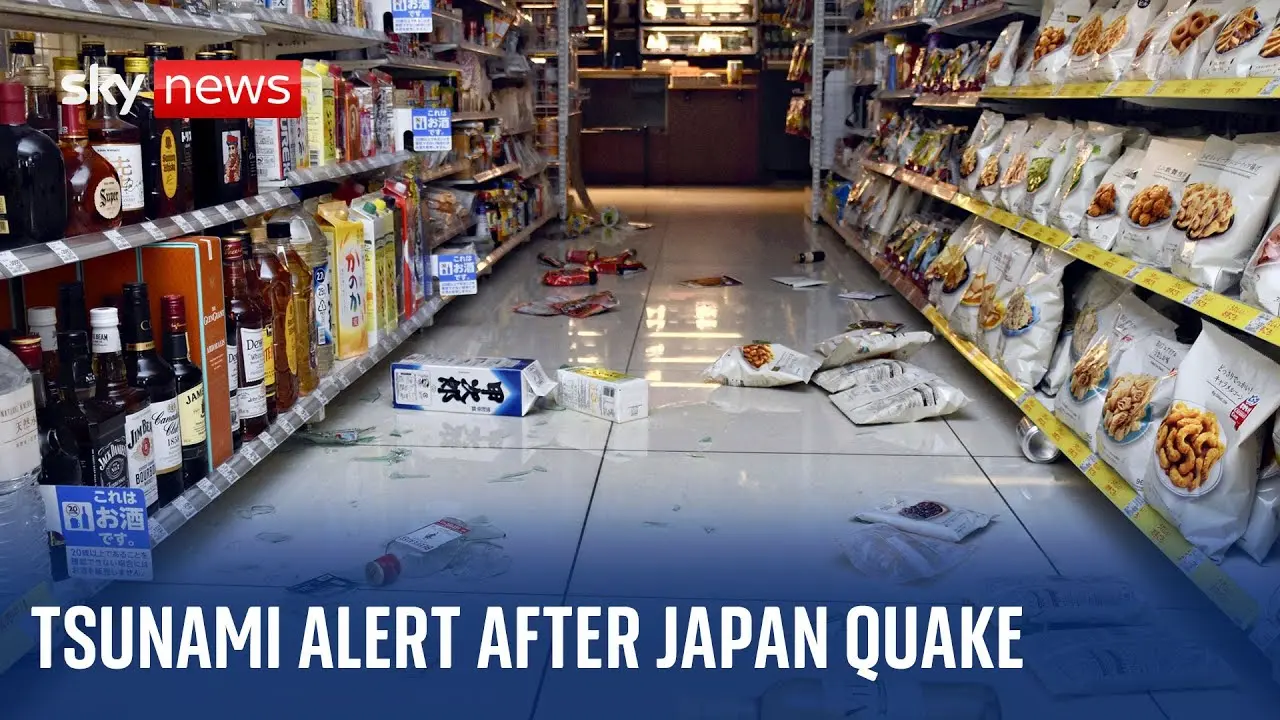
The Importance of Earthquake Preparedness in Japan
Japan, located in the Pacific Ring of Fire, is one of the most earthquake-prone countries in the world. With a dense population and significant coastal areas, the risk of earthquake-induced tsunamis presents a constant threat to its citizens. Understanding the mechanisms of these natural disasters and the current state of warnings is vital for public safety and preparedness.
Recent Seismic Activity
As of October 2023, Japan has experienced a series of earthquakes, with magnitudes ranging from 5.0 to 7.3 on the Richter scale. These seismic events have primarily affected regions such as Hokkaido and the Tōhoku area. The Japan Meteorological Agency (JMA) has reported a consistent pattern of tremors, leading to heightened alerts for potential tsunamis, especially following the stronger quakes.
Tsunami Warnings Issued
After the largest earthquake registered in recent weeks, the JMA issued immediate tsunami warnings for the northeastern coast of Japan. Coastal communities were urged to evacuate to higher ground upon detection of waves emanating from the quake’s epicentre. Fortunately, the tsunami that followed was relatively minor, causing minimal damage, but the warnings indicated the serious risk level that continues to persist.
<h2/Government Response and Preparedness Plans
In response to the ongoing seismic activity, the Japanese government has reiterated its commitment to disaster preparedness and response initiatives. Community drills are being formatted regularly, and citizens are advised to maintain emergency kits and develop evacuation plans. Furthermore, advancements in technology, such as early warning systems and real-time alerts on mobile devices, significantly improve the chances of public safety during such events.
The Significance for Residents
For residents living in earthquake-prone regions, understanding the procedures and protocols associated with earthquake and tsunami preparedness can be life-saving. Government officials encourage everyone to stay informed through local news outlets and official government channels. Knowing how to act quickly in the face of these natural disasters can drastically reduce risks.
Conclusion: Staying Vigilant
Japan’s ongoing seismic challenges highlight the need for constant vigilance and preparedness. As earthquakes and tsunami warnings will likely continue to be a part of life in this region, sustained public awareness, combined with effective governmental strategies, is key to ensuring safety and resilience in the face of nature’s unpredictability.
