Introduction
Jair Bolsonaro, the former President of Brazil, remains a highly influential and polarising figure within the country’s political landscape. His rise to prominence, largely marked by his populist rhetoric and divisive policies, has sparked significant discourse regarding governance, social change, and public health in Brazil. Given the recent developments, understanding Bolsonaro’s impact is crucial for analysing Brazil’s current socio-political climate and its future trajectory.
Bolsonaro’s Presidency: Key Events and Policies
Having taken office in January 2019, Bolsonaro’s presidency was characterised by a shift towards far-right policies. His administration advocated for economic liberalisation, environmental deregulation, and strong law enforcement. Bolsonaro’s connection to agribusiness and his controversial approach to the Amazon rainforest and indigenous rights were met with national and global criticism.
One of Bolsonaro’s most contentious policies was handling the COVID-19 pandemic. His scepticism towards masks and vaccines drew significant backlash as Brazil faced one of the highest mortality rates in the world. This approach was considered detrimental by many public health experts and has continued to affect his popularity.
Recent Developments and their Impact
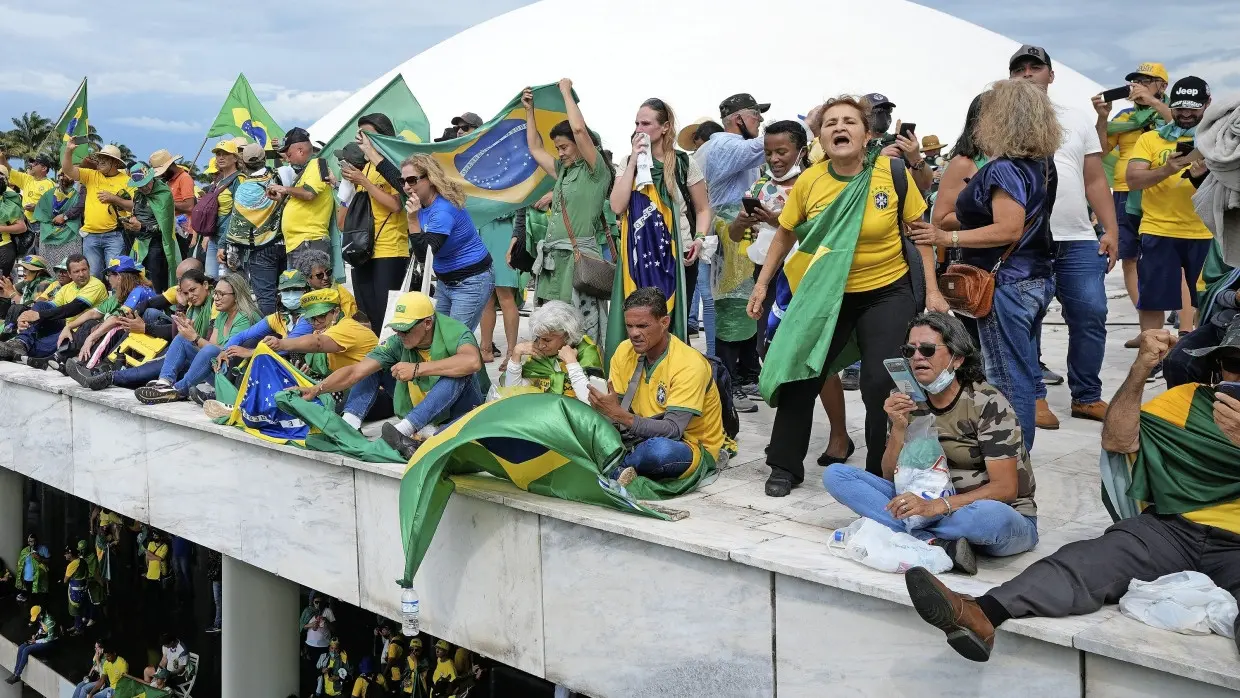
As of late 2023, Bolsonaro remains a significant player in Brazilian politics even after losing the 2022 presidential elections to Luiz Inácio Lula da Silva. Following the election, Bolsonaro’s supporters engaged in extensive protests, culminating in the storming of government buildings in Brasília on 8 January 2023. These events raised concerns about the stability of Brazil’s democracy and the risks posed by extremist factions.
In the wake of these upheavals, Bolsonaro continues to court his base and assert influence over the right-wing factions in Brazilian politics. His speeches frequently highlight themes of national sovereignty and traditional values, resonating with a segment of the population unsettled by comprehensive social reforms introduced by the current administration.
Conclusion
Bolsonaro’s legacy is still unfolding, and his political actions will have a long-lasting effect on Brazil. The division sown during his presidency presents challenges for national unity in the years ahead. Analysts suggest that Bolsonaro could play a central role in shaping future elections as the nation grapple with pressing issues such as economic recovery, social equity, and environmental protection. Understanding Bolsonaro’s political strategies and their implications will be essential for both Brazilian citizens and international observers seeking to comprehend the complexities of Brazil’s democratic evolution.
