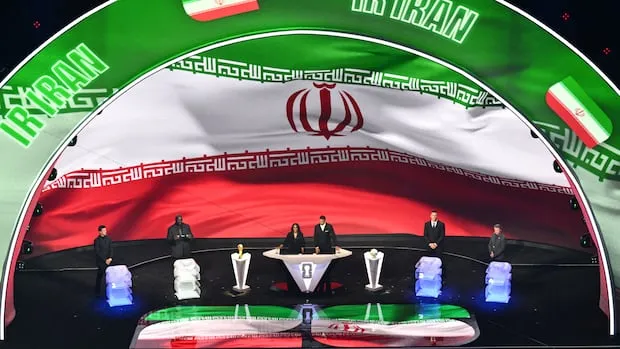
Will Iran participate in the 2026 FIFA World Cup?
The question of whether Iran will participate in the 2026 FIFA World Cup has become increasingly complicated due to recent military actions and political tensions. As it stands, Iran cannot participate in the tournament scheduled to take place from June 11 to July 19, 2026, across the United States, Mexico, and Canada. This decision stems from U.S. military actions against the country, which have escalated tensions significantly.
What led to this situation?
In the wake of U.S. and Israeli airstrikes, which resulted in the death of Iran’s Supreme Leader Ayatollah Ali Khamenei, the Iranian government has taken a firm stance against participating in international events. Iran’s sports minister, Ahmad Donyamali, stated, “Considering that this corrupt regime has assassinated our leader, under no circumstances can we participate in the World Cup.” He further emphasized that the safety of Iranian children is at stake, saying, “Our children are not safe and, fundamentally, such conditions for participation do not exist.” This sentiment reflects the broader concerns of the Iranian populace amidst ongoing military conflicts.
What are the implications of withdrawal?
Iran was initially scheduled to compete in Group G alongside Belgium, Egypt, and New Zealand. However, the Iranian Football Federation has yet to confirm the team’s participation following the attacks. FIFA regulations indicate that teams withdrawing from the tournament may face fines and sanctions, with the minimum fine being approximately 250,000 Swiss francs (around 320,800 USD). This adds another layer of complexity to Iran’s potential withdrawal, as the financial repercussions could be significant.
Historical context of Iran in the World Cup
Historically, Iran has participated in six World Cups, including the last three consecutively. This track record highlights the nation’s longstanding involvement in international football and the disappointment that would accompany a potential withdrawal. Iran was the first country to secure qualification for the upcoming World Cup, a fact that adds to the gravity of the current situation.
Political reactions and international relations
Internationally, reactions to Iran’s potential participation have varied. U.S. President Donald Trump, according to FIFA President Gianni Infantino, has expressed that the Iranian team is welcome to compete in the tournament in the United States. However, the political climate remains fraught, with Iranian officials questioning the safety and viability of sending a national team to a country embroiled in military actions against them. Mehdi Taj, another Iranian official, remarked, “If the World Cup is like this, who in their right mind would send their national team to a place like this?”
Current status and uncertainties
As of now, the final decision on Iran’s participation in the World Cup is not confirmed. The situation remains fluid, with ongoing military actions and political negotiations that could influence the outcome. More than 1,300 Iranian civilians have been killed since the U.S. and Israeli airstrikes began on February 28, and over 12,000 have been wounded, further complicating the context in which this decision is being made.
Looking ahead
With the World Cup fast approaching, the Iranian Football Federation faces immense pressure to make a decision regarding their participation. The implications of this decision will not only affect the team and its supporters but also the broader geopolitical landscape. As the situation develops, details remain unconfirmed, and the world watches closely to see how Iran will navigate these unprecedented challenges.
