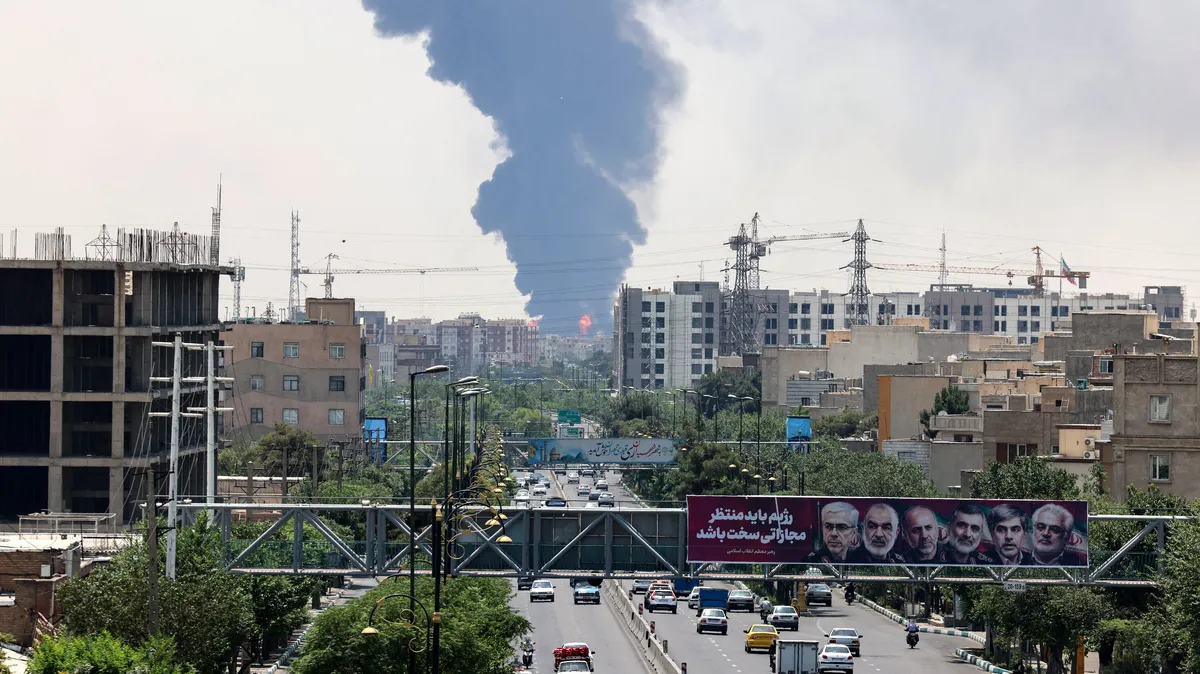
Impact of the Iran War on Global Oil Prices
The ongoing conflict in Iran has created a significant disruption in global oil supply chains, leading to a sharp increase in oil prices. Just before the war began, oil prices were hovering around $70 per barrel. However, as hostilities escalated, prices skyrocketed, reaching as high as $119 per barrel. This dramatic rise has raised concerns among consumers and policymakers alike, particularly in the United States, where the average price for a gallon of gasoline has surged more than 21% in just one week, now averaging $3.47.
Strategic Importance of the Strait of Hormuz
The Strait of Hormuz, a vital maritime passage, plays a crucial role in global oil transportation. Approximately 20% of the world’s oil flows through this narrow strait, with more than 20 million barrels transiting daily. This region is particularly significant for Asian markets, as 89% of the oil that passes through is bound for countries like China, India, Japan, and South Korea. The strait is only 21 nautical miles wide at its narrowest point, making it a strategic chokepoint for oil shipments.
Marine Traffic Disruptions
Since the onset of the Iran war, marine traffic through the Strait of Hormuz has nearly ground to a halt. This disruption has further exacerbated the already volatile situation in global oil markets. As Senator John Kennedy (R-La.) noted, “When you have a major conflict in the Middle East, prices always go up.” The implications of this conflict extend beyond just oil prices; they ripple across the entire economy, affecting everything from transportation costs to consumer goods.
Political Reactions and Economic Concerns
Lawmakers have expressed their concerns regarding the economic ramifications of high oil prices. Senator Rand Paul (R-Ky.) stated, “I think high oil prices will be a problem,” highlighting the potential for inflation and economic strain. Senate Minority Leader Chuck Schumer (D-N.Y.) echoed this sentiment, emphasizing that spikes in oil prices can have widespread effects on the economy. The situation remains fluid, with ongoing discussions about how to mitigate the impact of rising energy costs.
Market Reactions and Future Outlook
As the conflict continues, market analysts are closely monitoring the situation. Ismayil Jabiyev, an energy expert, remarked, “It’s all about risk,” indicating that the uncertainty surrounding the Iran war is influencing market behavior. Investors are wary of potential further disruptions, which could lead to even higher prices. The current state of affairs raises questions about the stability of oil supplies and the potential for prolonged economic challenges.
The Broader Implications
The increase in gas prices due to the Iran war is not just a localized issue; it has global repercussions. The interconnected nature of the global economy means that fluctuations in oil prices can lead to inflationary pressures worldwide. As energy costs rise, consumers may face higher prices for goods and services, leading to a potential slowdown in economic growth. The situation remains precarious, with details still unfolding as the conflict progresses.
In summary, the Iran war has significantly impacted global oil prices, causing a surge that has affected economies around the world. With the Strait of Hormuz being a critical artery for oil transportation, disruptions in this region could have lasting effects on energy markets and economic stability. As the situation develops, stakeholders will need to navigate the challenges posed by rising gas prices and their broader implications.
