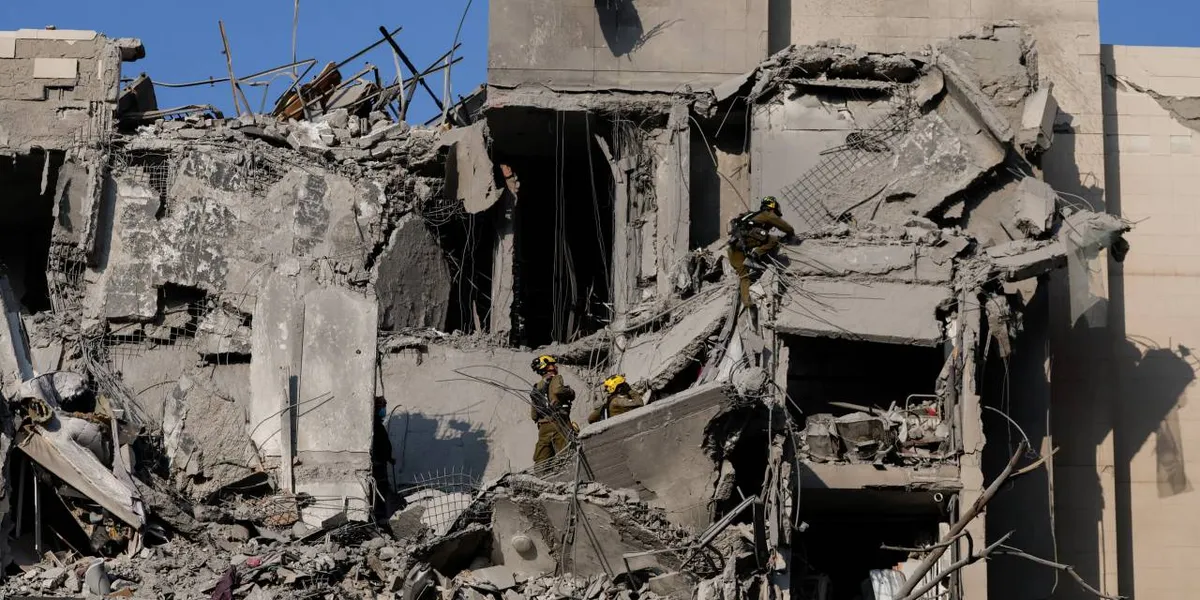
The UAE faces a renewed wave of Iranian missile and drone attacks, marking a significant escalation in regional tensions. On May 4, 2026, the UAE was targeted with 15 missiles, all of which were intercepted by their defense systems.
At least three people sustained injuries during these strikes. The situation intensified further when a drone attack sparked a fire at the crucial Fujairah oil facility, which handles around 1.7 million barrels per day. This facility is vital not only for the UAE but also for global energy markets.
On May 5, reports confirmed new missile and drone attacks from Iran. The UAE’s Defense Ministry stated that air defenses were actively engaging incoming projectiles, highlighting the ongoing threat. This series of events comes in the wake of heightened tensions following a ceasefire between the US and Iran that took effect on April 8, 2026.
This escalation is particularly alarming given the context of US-Iran relations. In recent weeks, the US imposed a naval blockade on Iranian ports and shipping as part of its efforts to curb Iranian aggression in the region. Iran has been accused of effectively controlling the Strait of Hormuz by attacking vessels attempting to cross without permission—an action that raises concerns about freedom of navigation in this critical waterway.
During the five weeks leading up to the ceasefire, the UAE endured at least 2,800 missiles and drones targeted at its territory. Such numbers illustrate the scale of hostilities that have characterized this conflict.
Donald Trump remarked on these developments by stating, “They want to make a deal. And who wouldn’t, when your military is totally gone?” This sentiment reflects broader concerns about Iran’s military capabilities and intentions.
The results of the latest attack were not immediately clear, leaving many observers anxious about potential further escalations. As air defenses continue to engage threats from Iran, what will be the long-term implications for regional security?
