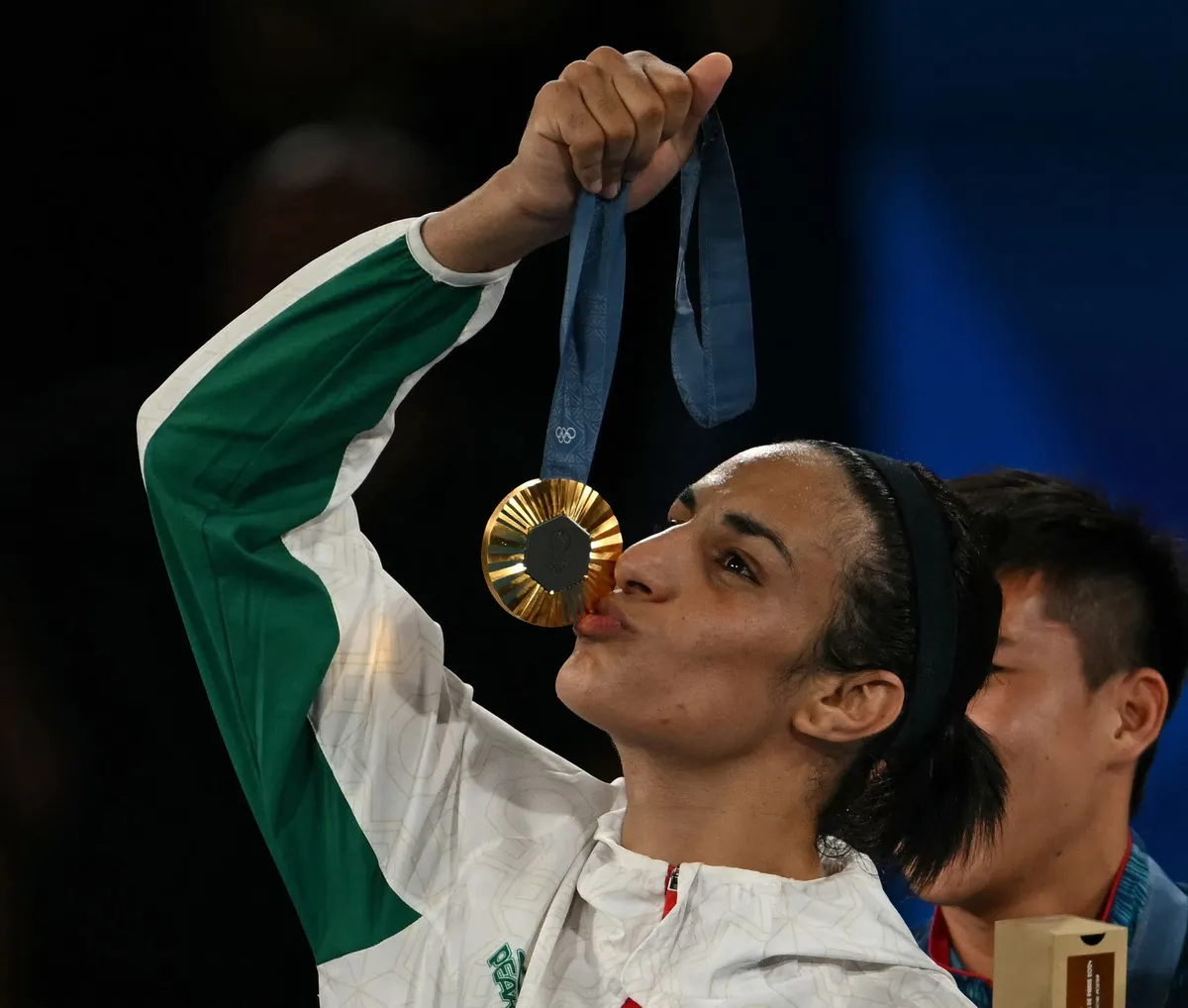
“Of course, I would accept doing anything I’m required to do to participate in competitions,” stated Imane Khelif, the gold medalist in the women’s welterweight boxing category at the 2024 Paris Olympics. This declaration comes at a time when the International Olympic Committee (IOC) has made significant changes to its policies regarding transgender athletes, particularly concerning their participation in women’s events.
The IOC has announced that starting with the 2028 Los Angeles Games, transgender women and athletes with Differences in Sex Development (DSD) will be banned from competing in female Olympic categories. This decision has sparked widespread debate, as it directly impacts athletes like Khelif, who have faced scrutiny over their gender eligibility. Khelif has consistently denied being transgender and has undergone treatment to lower her testosterone levels, yet she finds herself at the center of this contentious issue.
The IOC’s new policy requires all athletes wishing to compete in women’s events to take a one-off SRY gene test, which can be conducted through a saliva, cheek swab, or blood test. This move is aimed at ensuring that biological metrics are prioritized over other factors in determining eligibility for women’s events. Kirsty Coventry, a prominent figure in the IOC, emphasized, “It would not be fair for biological males to compete in the female category,” underscoring the committee’s commitment to maintaining fairness in women’s sports.
In 2023, Khelif faced controversy regarding gender eligibility tests with the International Boxing Association (IBA), raising concerns about the transparency of their testing protocols. Her legal representatives argued that the IBA lacked clear guidelines during the disqualification process, which has added to the complexity of her situation. The IOC’s recent decisions are seen as a response to the ongoing challenges and debates surrounding the participation of transgender athletes.
The IOC’s policy aims to protect the fairness, safety, and integrity of women’s sports, a sentiment echoed by Coventry, who stated, “The policy that we have announced is based on science and has been led by medical experts.” This scientific approach is intended to address the performance advantages that biological males may have in various sports, with studies indicating a male performance advantage of 10-12% in most running and swimming events, and even greater in throwing and jumping events.
Despite the controversies, Khelif remains committed to competing. Her willingness to undergo testing reflects her dedication to the sport and her desire to participate in competitions without the shadow of doubt regarding her eligibility. The cost of the sex tests is reported to be around £185, a financial burden that some athletes may find challenging.
As the IOC’s new rules take effect, they will not apply to grassroots or recreational sports programs, indicating a nuanced approach to the issue. The decision to prioritize biological metrics over other factors will likely continue to fuel discussions about gender and sports, particularly as more athletes navigate these complex waters.
With the 2028 Games on the horizon, the implications of the IOC’s policy will become clearer. Khelif’s journey, alongside other athletes, will be closely watched as they adapt to these new regulations. Details remain unconfirmed regarding how these changes will impact individual athletes and the broader landscape of women’s sports.
