On April 18, 2026, a significant moment unfolded in the Oval Office. President Donald Trump signed an executive order aimed at accelerating the review process for psychedelic drugs, with ibogaine being a key focus. This marked a pivotal development in the ongoing conversation about psychedelics and their therapeutic potential.
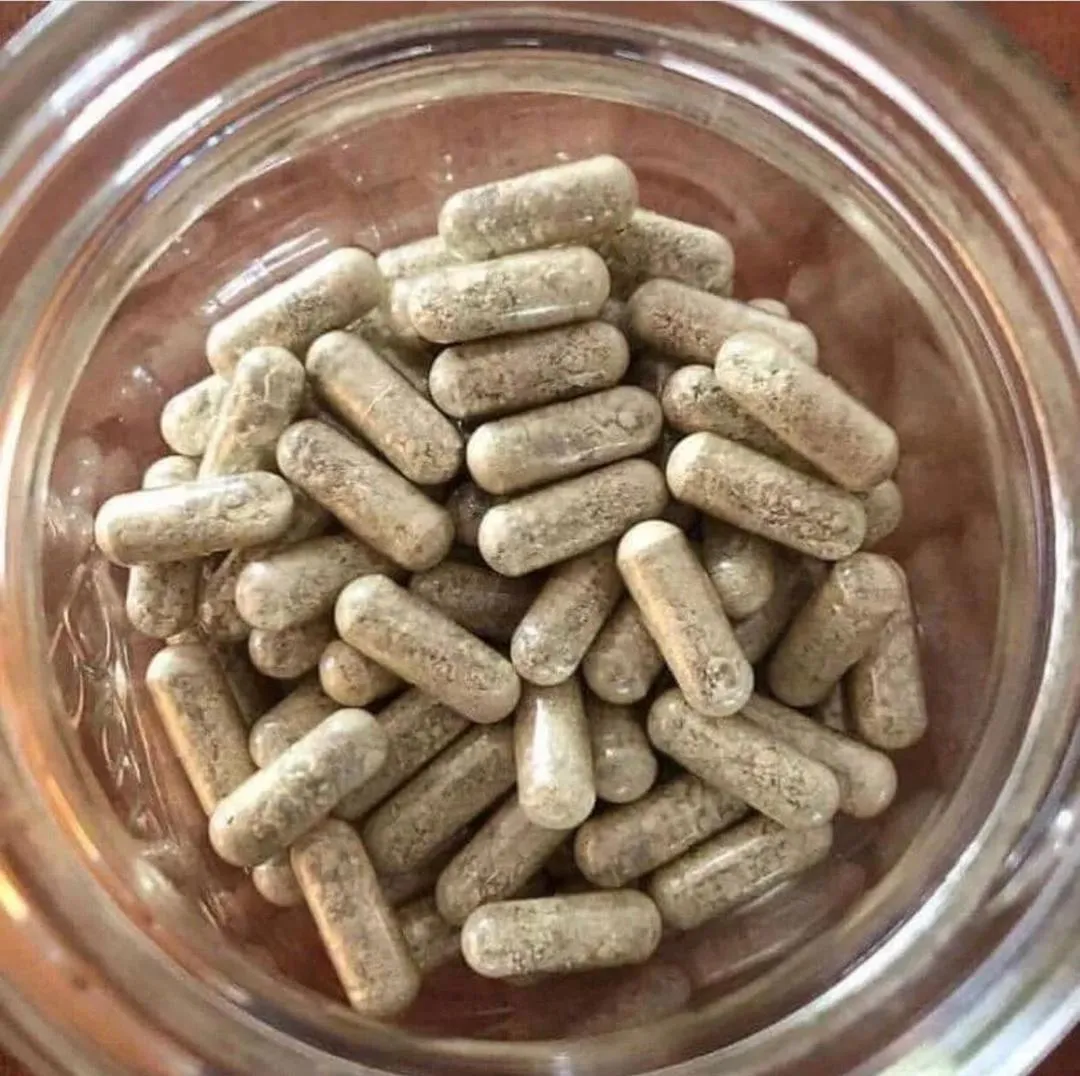
Ibogaine, derived from a plant native to West Africa, has been used for decades—primarily within the Bwiti religion—as part of spiritual ceremonies. In recent years, however, it has garnered attention for its potential to treat various mental health conditions, including post-traumatic stress disorder (PTSD), depression, and anxiety. Advocacy groups have long pushed for more research into psychedelics like ibogaine, arguing that these substances could provide relief where traditional treatments have failed.
The executive order directs the Department of Health and Human Services to allocate at least $50 million for states developing programs focused on psychedelic drugs. This funding aims to facilitate further research into their effectiveness. But why does this matter? It signals a shift in how these substances are perceived by federal authorities—moving from stigma to a more open-minded approach.
Despite these promising developments, ibogaine remains classified as a Schedule I drug in the United States. This classification presents significant barriers to research and clinical use. Yet, there is growing evidence supporting its efficacy; studies have shown that when combined with intravenous magnesium, ibogaine can safely reduce symptoms of PTSD, anxiety, and depression in veterans. A small study involving 30 veterans highlighted these benefits, shedding light on the substance’s potential.
However, caution is warranted. At least 27 fatalities have been reported following ibogaine use, raising concerns about safety and proper administration protocols. The Food and Drug Administration (FDA) is now taking steps to facilitate the first human trials of ibogaine in the U.S., which could pave the way for broader acceptance and use.
During the signing event of his executive order, Trump quipped about trying psychedelics himself: “Can I have some, please?” This lighthearted comment belied a serious commitment to exploring alternative therapies for mental health issues—an area that has long needed innovative solutions.
The future of ibogaine is still uncertain. While Texas has committed $50 million specifically for studying its effects, details remain unconfirmed regarding how federal initiatives will support further research into ibogaine’s potential applications. The strategies for advancing this research are still being discussed internally.
This sequence of events matters significantly for those involved—from veterans seeking relief from PTSD to researchers eager to explore new avenues of treatment. With increased funding and governmental support, we may be on the brink of a new era in mental health care that embraces alternatives like ibogaine.
