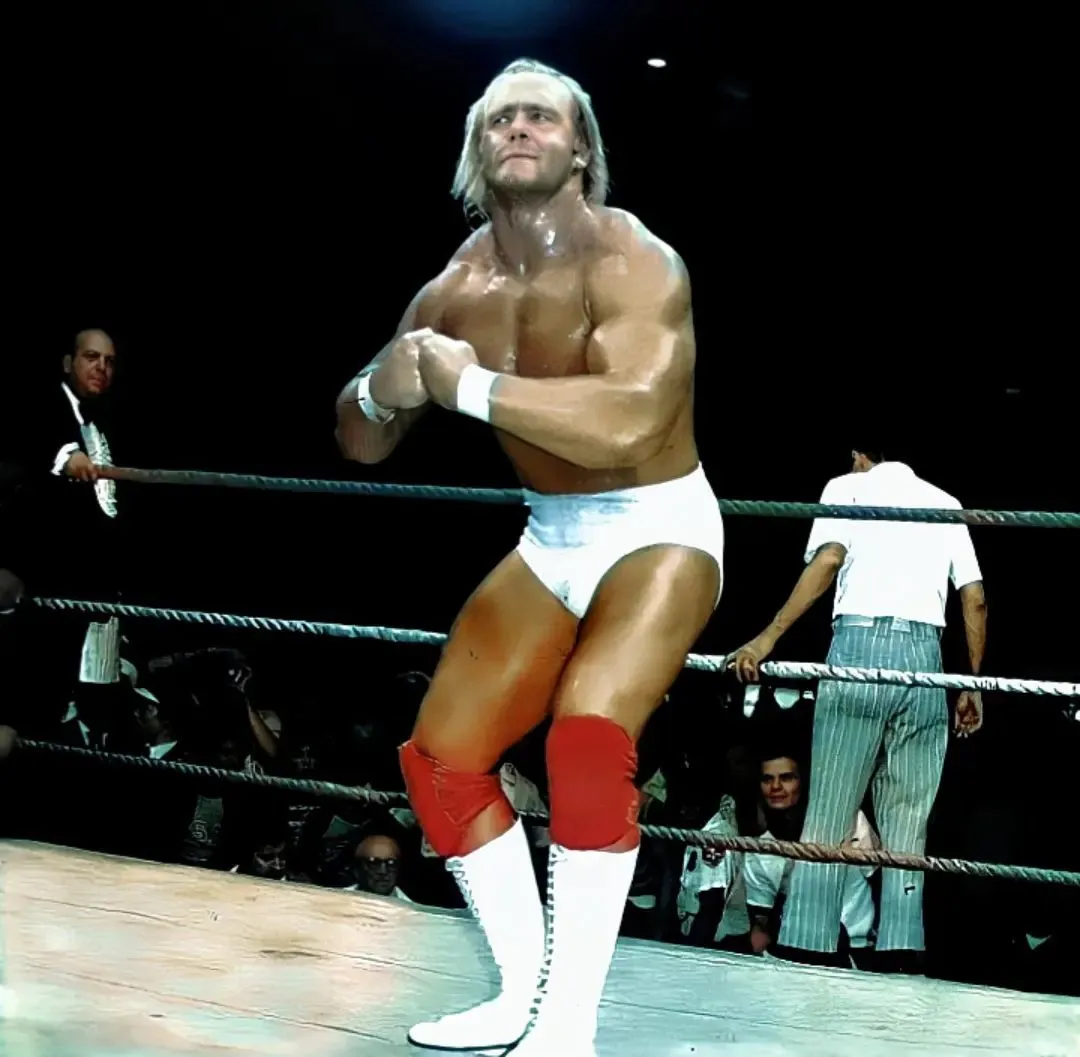
Hulk Hogan, born Terry Gene Bollea, was once a towering figure in professional wrestling. He was a household name, revered for his larger-than-life persona and iconic matches. Fans cheered as he body-slammed opponents, embodying the spirit of the sport. But beneath the glitz and glamor lay a tumultuous life filled with personal challenges and controversies.
That context matters because it sets the stage for understanding what changed. On July 24, 2025, Hogan passed away from a heart attack at age 71—an event that shocked fans worldwide. Just months earlier, he had been grappling with severe health issues, including atrial fibrillation and chronic lymphocytic leukemia. His son Nick had remarked on his father’s complications following neck surgery, hinting at underlying struggles.
Yet, his death wasn’t just a personal loss; it marked the end of an era in professional wrestling. Hogan’s life was characterized by highs and lows: he won a staggering $140 million lawsuit against Gawker over a leaked sex tape but later settled for $31 million. This drastic shift in fortunes illustrates how quickly fame can turn into infamy.
Hogan’s controversies were numerous—he admitted to using steroids after years of denial and faced backlash for racist language that marred his legacy. He even expressed regret over his past actions, stating, “Terry Bollea was not the greatest person of all time.” Such admissions reveal a man who struggled with his identity beyond the ring.
The immediate effects of his passing rippled through both fans and the wrestling community. Many mourned not just the loss of a legend but also reflected on the complexities of his life. The pharmacy staff once remarked about his fentanyl use—”You should be dead. We have never seen a human being take this much fentanyl.” This statement underscores the severity of his health struggles during his final years.
Experts in celebrity culture note that Hogan’s journey is emblematic of the darker side of fame. His endorsements—like supporting Donald Trump at the Republican National Convention after an assassination attempt—highlighted how intertwined personal beliefs can become with public personas. In many ways, Hogan’s life was a cautionary tale about the price of notoriety.
But what will become of Hogan’s legacy? A docuseries titled “Hulk Hogan: Real American” is set to premiere on Netflix in April 2026, promising to explore both his triumphs and tribulations. This could serve as an opportunity for fans to reconcile their admiration with the reality of his complex life.
Still, details remain unconfirmed about how this portrayal will balance his storied career against the backdrop of personal failures. As we reflect on Hulk Hogan’s impact on wrestling and culture, it’s essential to recognize that behind every icon lies a multifaceted individual—a truth that resonates deeply in our understanding of fame and its consequences.
