Introduction
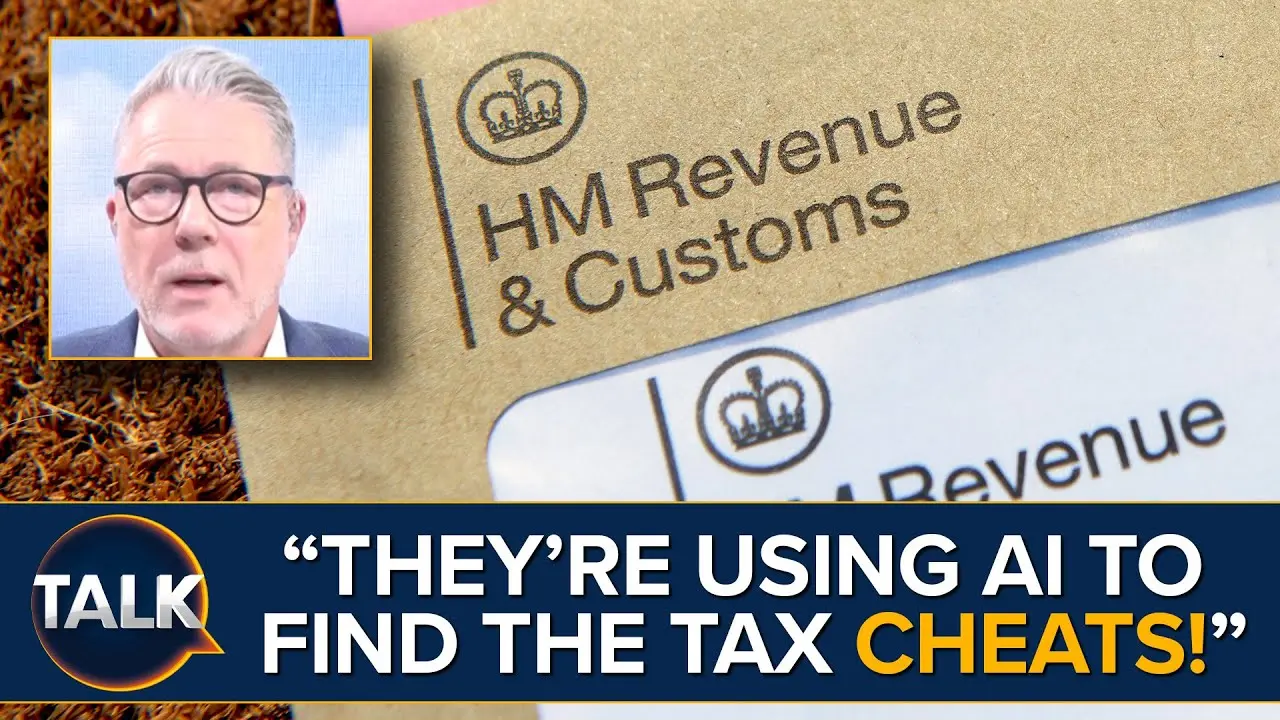
As the landscape of tax collection continuously evolves, HMRC (Her Majesty’s Revenue and Customs) is embracing innovative technology to enhance its operations. The introduction of an AI tool for tax collection marks a significant advancement in how the UK government manages and collects taxes. This technology not only aims to improve efficiency but also enhance accuracy and compliance, addressing longstanding challenges faced by tax authorities.
The Launch of the AI Tool
In early 2023, HMRC announced the deployment of a state-of-the-art AI tool designed to analyse vast amounts of tax data and identify patterns that may indicate tax evasion or fraud. This tool utilises machine learning algorithms to scrutinise tax submissions, spotting discrepancies that human inspectors might overlook. As of now, the AI system has processed millions of tax returns and has reportedly increased the identification rate of non-compliance cases by over 30%.
Impacts on Tax Collection
The implementation of the AI tool is already yielding positive results. Not only has it led to an increase in revenue by identifying unreported income and discrepancies in financial statements, but it has also allowed HMRC to allocate resources more effectively. Tax inspectors can now focus on more complex cases that require human judgement, while the AI handles routine checks.
Furthermore, the AI tool is designed to function within a framework that ensures taxpayer privacy. Sensitive information is handled with stringent data protection measures, adhering to GDPR regulations. This has raised public trust, as taxpayers feel more secure knowing that their personal information is being safeguarded while ensuring compliance.
Looking Forward: The Future of Tax Collection
While the current results are promising, experts suggest that HMRC’s use of AI is just the tip of the iceberg. Future developments may incorporate predictive analytics to anticipate tax revenue trends and detect issues before they arise. Additionally, as the tool evolves, it could integrate with other government services to provide a more comprehensive approach to financial compliance.
Conclusion
The HMRC AI tool represents a significant shift in the approach to tax collection, showcasing the potential for technology to enhance governmental efficiency. As it becomes more entrenched in daily operations, taxpayers may expect a more seamless and transparent experience. If successful, this initiative may well set a precedent for other countries looking to modernise their tax systems and improve compliance rates.
