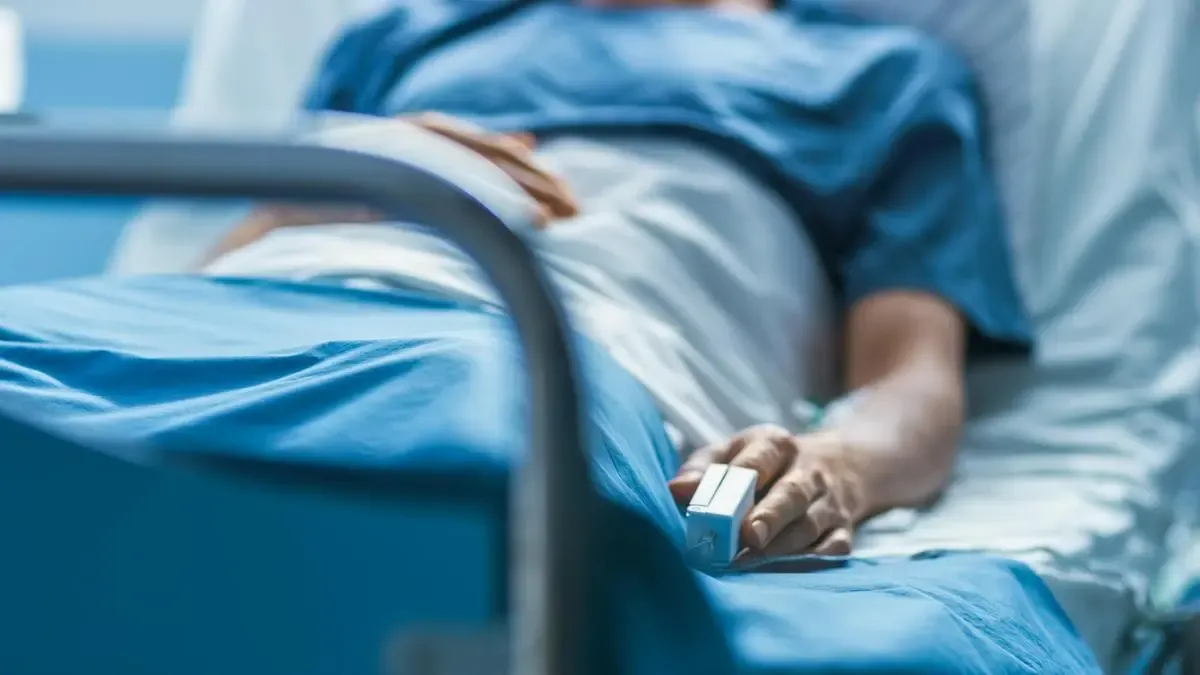
The Supreme Court of India has made a groundbreaking decision by allowing passive euthanasia in the case of Harish Rana, who has been in a permanent vegetative state since a tragic fall from the fourth floor of a building in 2013. This ruling, delivered on March 11, 2026, marks a significant step in the ongoing legal and ethical discussions surrounding the right to die with dignity in India.
Harish Rana’s family has faced overwhelming emotional and financial challenges over the past 13 years, as they have cared for him in a coma-like condition. The Supreme Court’s ruling is the first practical exercise of the right to die with dignity in the country, reflecting a shift in legal perspectives on assisted death.
Justice K.V. Viswanathan, who presided over the case, emphasized that the judgment does not question whether it is in Harish’s interests to die, but rather whether it is in his interests to continue treatment. This nuanced approach highlights the complexities involved in such sensitive cases.
Following the Supreme Court’s decision, Harish Rana’s family is now considering organ donation, hoping that his life can help others even after his passing. The family, who follows the spiritual teachings of the Brahma Kumaris organization, has expressed a desire for a dignified end to his suffering.
In a poignant message, a member of the Brahma Kumaris stated, “Forgiving everyone and asking forgiveness from everyone. Now sleep. It’s ok.” This reflects the family’s spiritual approach to the situation and their acceptance of the court’s ruling.
Despite this landmark decision, experts caution that the gap between what the law permits and what most families can practically access remains significant. V. Venkatesan noted that no number of judgments will close this gap, indicating ongoing challenges in the implementation of such legal rights.
The case of Harish Rana is part of a broader dialogue on assisted death in India, which has evolved over the past decade. As society grapples with these ethical dilemmas, the implications of this ruling could resonate far beyond Rana’s individual case.
Details remain unconfirmed regarding the timeline for the withdrawal of life support, as the Supreme Court has directed the All India Institute of Medical Sciences (AIIMS) in Delhi to ensure that this process is handled with dignity.
As the Rana family prepares for this next chapter, the legal and ethical ramifications of the Supreme Court’s decision will continue to be scrutinized, potentially influencing future cases in India.
