Introduction
Hamas, a Palestinian Islamist political organisation and militant group, has been a pivotal player in the Israeli-Palestinian conflict since its inception in 1987. Understanding Hamas is crucial due to its role in shaping both regional dynamics and global politics. With ongoing tensions and recent escalations in violence, most notably the conflict that erupted in October 2023, a comprehensive grasp of Hamas’s origins, objectives, and current actions is essential for comprehending the broader situation in the Middle East.
Background of Hamas
Hamas emerged during the First Intifada as an offshoot of the Egyptian Muslim Brotherhood, aiming to establish an Islamic state in the historical territories of Palestine. Its charter, published in 1988, called for the elimination of Israel and encompassed the ideology of armed resistance. Over the years, Hamas has evolved from a purely militant entity to a significant political actor, particularly after winning the 2006 Palestinian legislative elections. This victory led to a political rift with the Fatah party, exacerbating the divisions within Palestinian governance.
Recent Developments
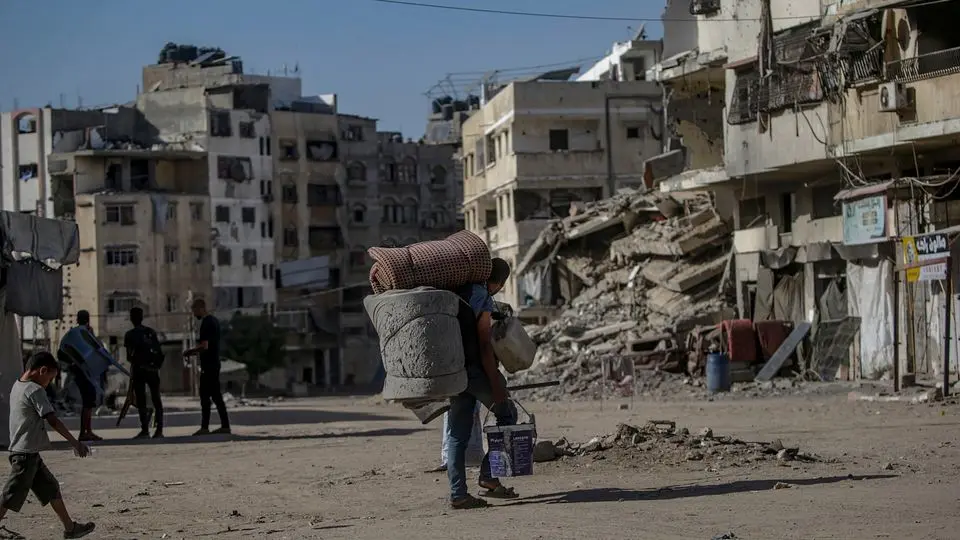
On October 7, 2023, Hamas launched an unprecedented attack on Israeli territory, leading to a significant escalation of violence and loss of life, with thousands reported dead on both sides. In response, Israel has intensified air strikes on Gaza, leading to widespread destruction and a humanitarian crisis. The United Nations has warned of a looming disaster as the number of displaced persons has surged, and basic necessities like water and medical supplies are now scarce.
The repercussions of this latest conflict extend beyond the immediate violence. Regional powers, including Egypt and Iran, have been drawn into the fray, with Iran openly supporting Hamas, while Egypt attempts to mediate. The international community is divided, with some nations expressing strong support for Israel’s right to defend itself while others condemn the disproportionate response targeting civilians.
Conclusion
The situation surrounding Hamas remains fluid, with significant implications for the prospect of peace in the region. The international community faces a complex challenge in addressing the immediate humanitarian needs while also seeking a long-term resolution to the Israeli-Palestinian conflict. As Hamas continues to adapt its strategies and political roles, understanding its impact will be crucial for policymakers and scholars alike. As the geopolitical landscape evolves, the potential for dialogue remains uncertain, yet the need for comprehensive peace cannot be overstated. The actions and decisions made in the months ahead will significantly influence not only the lives of those in Israel and Palestine but also the broader stability of the Middle East.
