Introduction
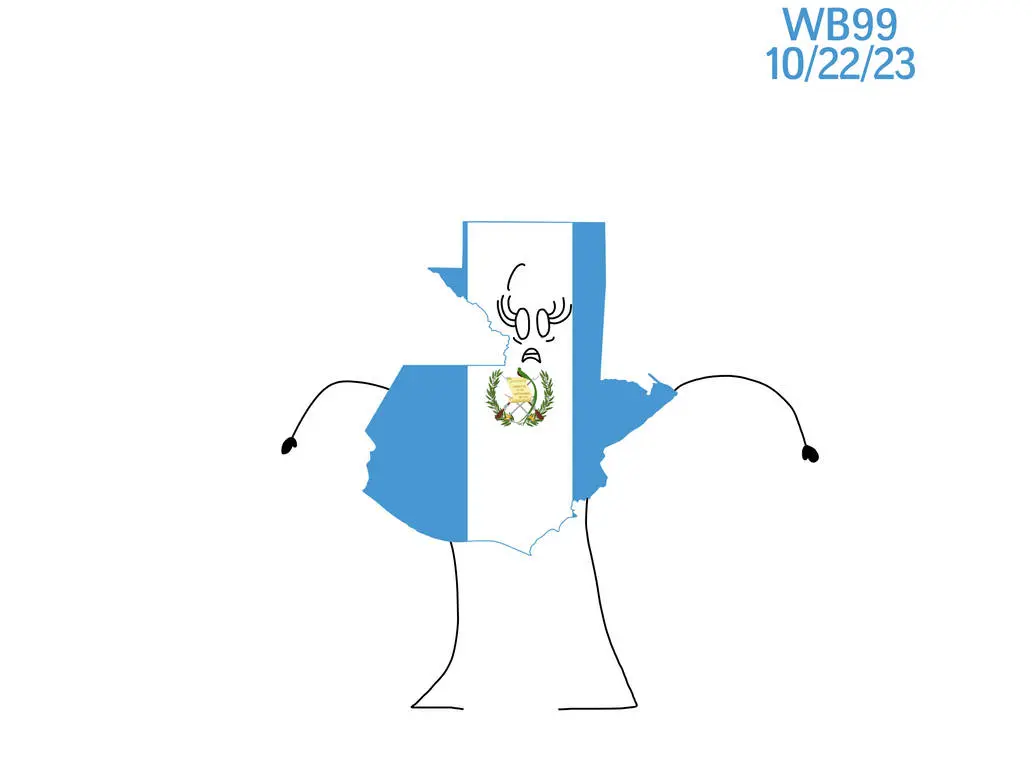
Guatemala, a country nestled in the heart of Central America, is known for its rich cultural heritage and stunning landscapes. With a population of approximately 18 million, it boasts a unique blend of indigenous and Spanish influence, making it a significant marker in the region’s history. The country’s cultural landscape is diverse, offering everything from ancient Mayan ruins to vibrant modern cities. As the world continues to take notice, understanding Guatemala’s place in global discussions around culture, tourism, and environment becomes increasingly important.
Historical Significance
Guatemala is home to some of the most important archaeological sites from the Mayan civilization, which flourished between 2000 BC and AD 1500. Sites like Tikal and Quiriguá are UNESCO World Heritage sites that allow visitors to explore ancient pyramids, temples, and inscriptions that tell the story of this advanced society. These remnants of the past have become focal points for both tourism and scholarly research, shedding light on the cultural evolution of the region.
Current Events and Cultural Revival
As of 2023, Guatemala has seen a resurgence in appreciation for its indigenous cultures, especially the 22 Maya ethnic groups that still inhabit the region. The government and various NGOs are working to promote indigenous languages, traditions, and clothing. Events such as the Day of the Dead and the Semana Santa (Holy Week) celebrations draw both local and international tourists, showcasing traditional rituals and customs while bolstering the local economy. Furthermore, renowned Guatemalan artisans are gaining recognition for their traditional crafts, attracting buyers and visitors interested in sustainable fashion and culture.
Navigating Challenges
Despite its cultural wealth, Guatemala faces several challenges, including economic disparities, political instability, and environmental issues. Recent studies indicate that around 59% of the population lives in poverty, which has prompted migration to other countries in search of better opportunities. Additionally, environmental changes have put stress on local agriculture, which is vital for many communities. However, international partnerships and local initiatives focus on sustainable development and educational opportunities to address these issues.
Conclusion
Guatemala stands at a crossroads, rich in history yet facing modern challenges. As tourists and researchers continue to explore this vibrant country, the hope is that a greater appreciation for its culture and the resilience of its people will lead to sustainable growth. The significance of Guatemala stretches beyond its borders, offering lessons in cultural heritage and adaptability in an ever-changing world. For readers interested in travel, history, or social issues, Guatemala is undoubtedly a destination or topic worth exploring further.
