How it unfolded
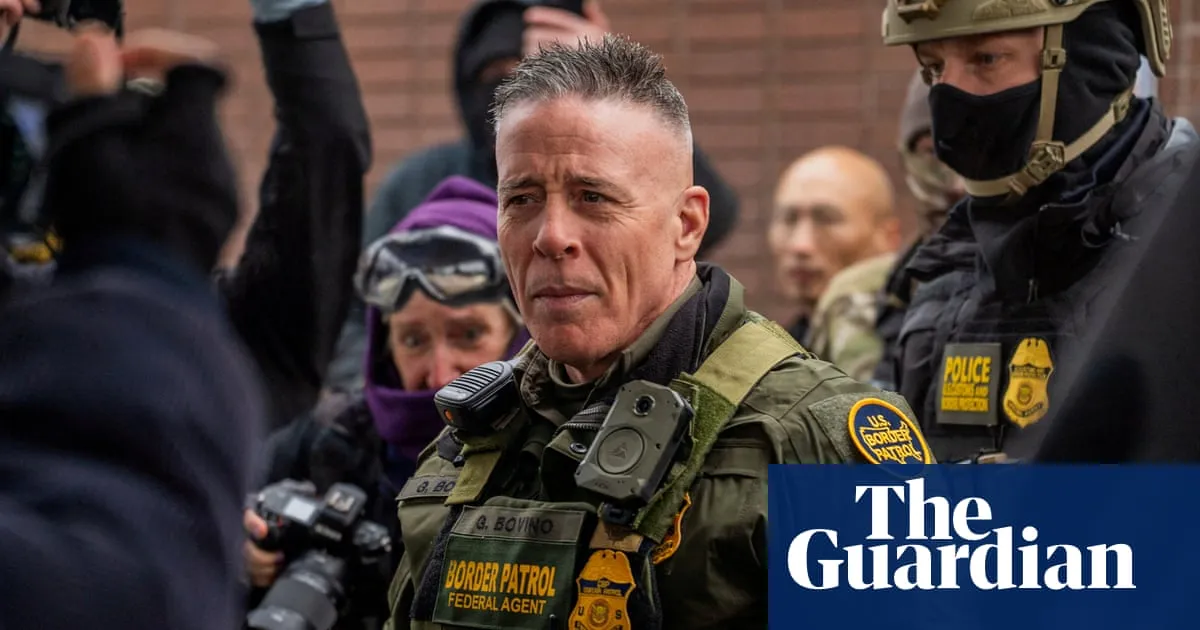
In March 2026, Gregory Bovino, the former commander-at-large of the US Border Patrol, announced his retirement, marking the end of a significant chapter in his 30-year career with the agency. His tenure was characterized by aggressive enforcement measures and a hard-line approach to immigration, which drew both support and criticism.
Bovino’s career was notably influenced by the policies of the Trump administration, under which he led mass deportation efforts. He was vocal about his desire to deport more illegal aliens, famously stating, “I wish I’d caught even more illegal aliens.” His tactics included high-speed operations aimed at achieving what he described as “total border domination.” This approach, however, was not without its consequences.
Tragedy struck in January 2026 when two US citizens were killed during operations under Bovino’s command. These incidents raised serious questions about the methods employed by the Border Patrol and led to increased scrutiny of Bovino’s leadership. In particular, he faced an investigation related to a controversial operation in Minnesota, further complicating his position within the agency.
Throughout his career, Bovino was known for his derogatory references to undocumented immigrants in legal documents, which sparked outrage among civil rights organizations, including the American Civil Liberties Union. His hard-line views on immigration enforcement were emblematic of a broader national debate on the issue, and his retirement comes at a time when these discussions are more relevant than ever.
Despite his controversial reputation, Bovino expressed admiration for his colleagues, particularly Kristi Noem, whom he referred to as “the best Secretary I ever worked for, period.” This reflects the complex relationships he maintained within the political landscape of immigration enforcement.
As he steps away from his role, Bovino has plans that extend beyond law enforcement. He aims to address non-native invasive species in North Carolina, indicating a shift in focus from immigration to environmental issues. However, his retirement was not entirely voluntary; it coincided with ongoing internal investigations that may have influenced his decision to leave.
As of now, the Border Patrol faces a critical juncture. With Bovino’s departure, the agency must navigate the challenges of public perception and policy direction in a contentious political climate. The implications of his leadership and the controversies surrounding it will likely resonate for years to come, affecting both the agency and the communities it serves.
The sequence of events surrounding Gregory Bovino’s retirement highlights the complexities of immigration enforcement in the United States. His legacy, marked by a blend of aggressive tactics and tragic outcomes, serves as a reminder of the ongoing debates about immigration policy and law enforcement practices.
