Introduction
Canterbury Cathedral, a UNESCO World Heritage Site and one of the UK’s most iconic religious structures, has recently become the focal point of controversy due to acts of graffiti. These incidents not only challenge the significance of historical preservation but also spark debates about artistic expression in public spaces. With the cathedral’s immense cultural and architectural value, the implications of such vandalism are profound and merit public attention.
The Incident
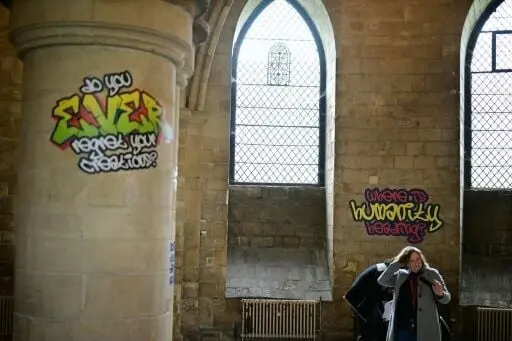
In late October 2023, several instances of graffiti were discovered on the outer walls of Canterbury Cathedral. The markings included a variety of spray-painted designs and slogans, some of which were politically charged. Local authorities swiftly condemned the acts as vandalism, stressing that this type of damage is detrimental to the long-term preservation of the site. The cathedral’s administration reported that immediate steps would be taken to assess the damage and to initiate restoration efforts.
The local community has shown mixed reactions, with some individuals expressing outrage while others view the graffiti as a form of modern protest. Artists have previously used the cathedral’s historic setting to make statements, but the recent acts have drawn sharp criticism for lacking respect towards the site’s historical context.
Community Response and Actions
In response to the graffiti incidents, Canterbury City Council has launched a campaign to promote awareness regarding the preservation of local heritage sites. This initiative aims not only to deter acts of vandalism but also to engage the community in discussions about the importance of historical sites. Educational programmes highlighting the significance of Canterbury Cathedral have been mobilised, featuring workshops and community forums.
Furthermore, local artists and advocates for public art have expressed a desire to collaborate on future art initiatives that can celebrate the cathedral through sanctioned artistic expressions, rather than vandalism. This could pave the way for murals or art installations that reflect community sentiments while respecting the site’s sanctity.
Conclusion
The graffiti incidents at Canterbury Cathedral serve as a critical reminder of the fine line between art and vandalism. As discussions unfold within the community, it will be essential to foster a balanced approach that safeguards the cathedral’s historical significance while also allowing for artistic expression. The coming months will be telling in how Canterbury balances these often opposing viewpoints, ultimately influencing the cathedral’s future and its role in the broader narrative of cultural preservation. The dialogue initiated by these incidents could lead to innovative community-driven projects that honour both tradition and contemporary expression.
