Introduction
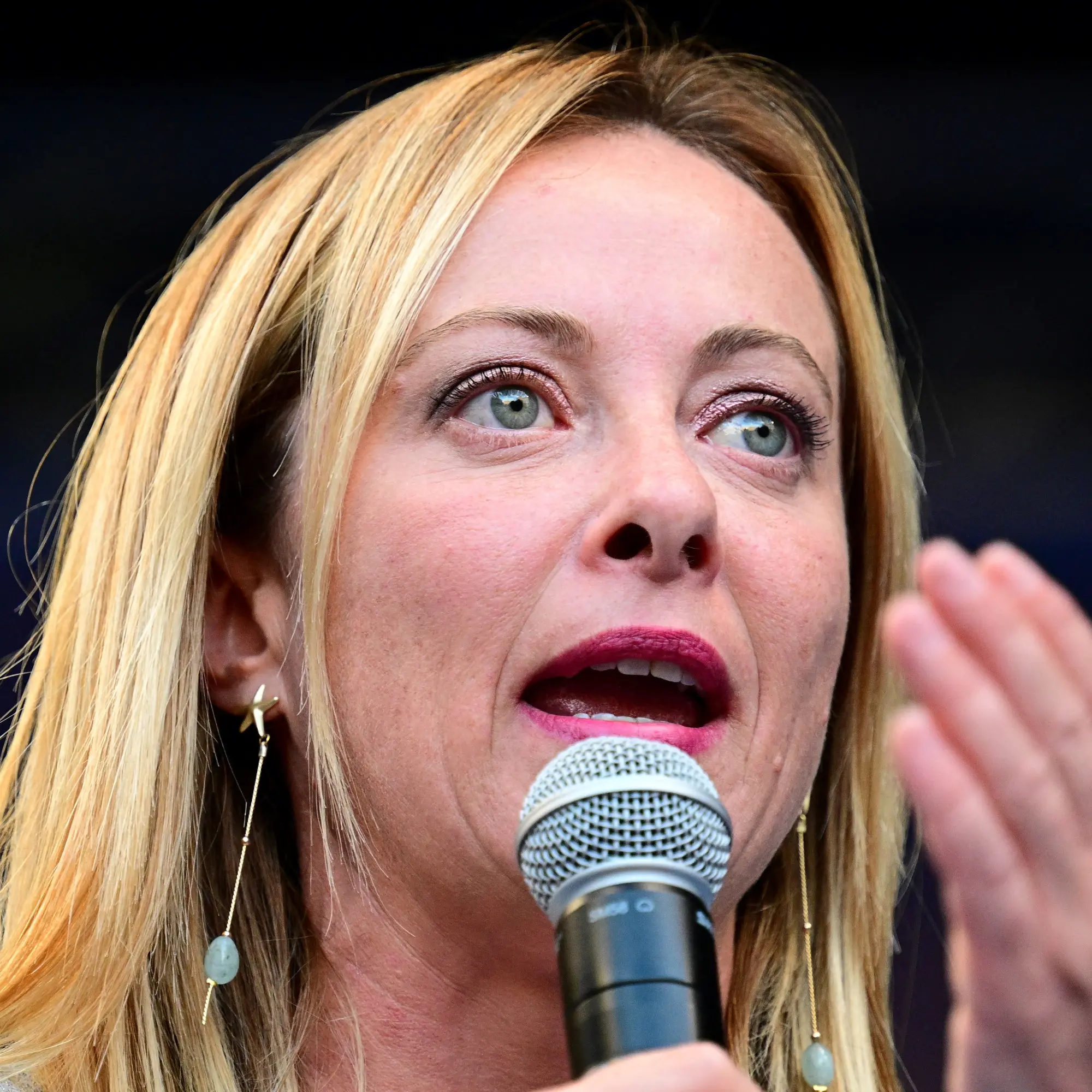
Giorgia Meloni, the first female Prime Minister of Italy, has emerged as a significant figure in European politics. Her leadership marks a crucial turning point for Italy as she navigates a landscape shaped by economic challenges, immigration issues, and Italy’s role within the European Union. Understanding Meloni’s rise is essential for grasping the current and future dynamics of Italy’s political environment.
Meloni’s Political Background
Born on January 15, 1977, Giorgia Meloni is the leader of the Brothers of Italy (Fratelli d’Italia), a right-wing party she co-founded in 2012. Meloni’s political career began in her teens, and she quickly rose through the ranks of various right-wing factions in Italy, including serving as Minister of Youth in Prime Minister Silvio Berlusconi’s cabinet from 2008 to 2011. Her party gained momentum significantly during the 2022 elections, driven by a platform of national pride, traditional values, and a tough stance on immigration.
Recent Developments
Since taking office in October 2022, Meloni has faced various challenges. Her government has focused on tackling soaring energy prices, which have been exacerbated by the ongoing conflict in Ukraine. As Europe searches for alternative energy sources, Meloni’s administration is working to bolster Italy’s energy security while investing in renewable energy initiatives.
Furthermore, Meloni’s approach to immigration has been a polarising topic. In recent months, she has tightened Italy’s immigration policies, asserting that the country needs to protect its borders more effectively. This has drawn both support and criticism domestically and from various human rights organisations.
Meloni’s Impact on Italy and Europe
Meloni’s leadership style and political decisions have implications not just for Italy but for Europe as a whole. As the presiding head of a right-wing coalition, her policies may encourage similar movements across the continent, especially in nations grappling with immigration and economic instability. Italy’s stance under her leadership could potentially reshape EU policies, particularly concerning migration and economic support mechanisms.
Conclusion
Giorgia Meloni’s ascent to Prime Minister is a reflection of shifting political tides within Italy and Europe. As she leads her government in addressing pressing issues such as energy, immigration, and economic recovery, the international community is closely monitoring her actions. Meloni’s impact will likely resonate beyond Italy, influencing the future of European politics. Understanding her policies and governance style remains essential for analysts, policymakers, and citizens alike, as they grapple with the evolving political landscape.
