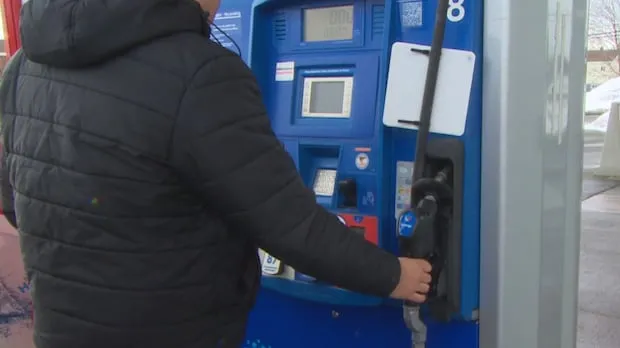
Gas prices have lowered across Newfoundland and Labrador for the first time since late February, as the Public Utilities Board announced a decrease of 10 cents per litre on March 25, 2026. Maximum prices for gasoline in Newfoundland now range between $1.82 and $1.98 per litre, while in Labrador, they are set between $1.60 and $1.93 per litre.
In addition to gasoline, diesel prices have seen a significant drop, with a decrease of almost 22 cents per litre in Newfoundland and 21.5 cents per litre in Labrador West and Churchill Falls. The new maximum prices for diesel are now between $2.35 and $2.48 per litre in Newfoundland and $1.75 and $2.48 per litre in Labrador.
Furnace oil prices have also decreased by just over 19 cents per litre, while stove oil prices fell by more than 18.6 cents per litre in Labrador West and Churchill Falls. This marks a welcome relief for residents who have been facing rising energy costs.
The price of gasoline had not decreased since February 20, 2026, leading to growing frustration among consumers. Terry O’Neill, a local resident, expressed, “It’s got to be a strain on just about everybody,” highlighting the financial burden that high fuel prices have placed on the community.
O’Neill further noted that many residents are demanding greater transparency from the Public Utilities Board regarding price fluctuations, stating, “A lot of them are saying, you know, enough is enough, right? They’re sort of demanding that the Public Utilities Board or the government step in and stop this ridiculous [instability].” This sentiment reflects a broader concern about the impact of fluctuating fuel prices on daily life.
He also pointed out the cascading effect of fuel price increases, saying, “When [an increase] happens, there’s a snowballing effect. Everything else increases.” This underscores the interconnectedness of fuel prices with other essential goods and services.
As residents adjust to these recent changes, observers are keenly watching how the Public Utilities Board will respond to ongoing calls for transparency and stability in fuel pricing. The situation remains dynamic, and further adjustments may be anticipated as market conditions evolve.
Details remain unconfirmed.
