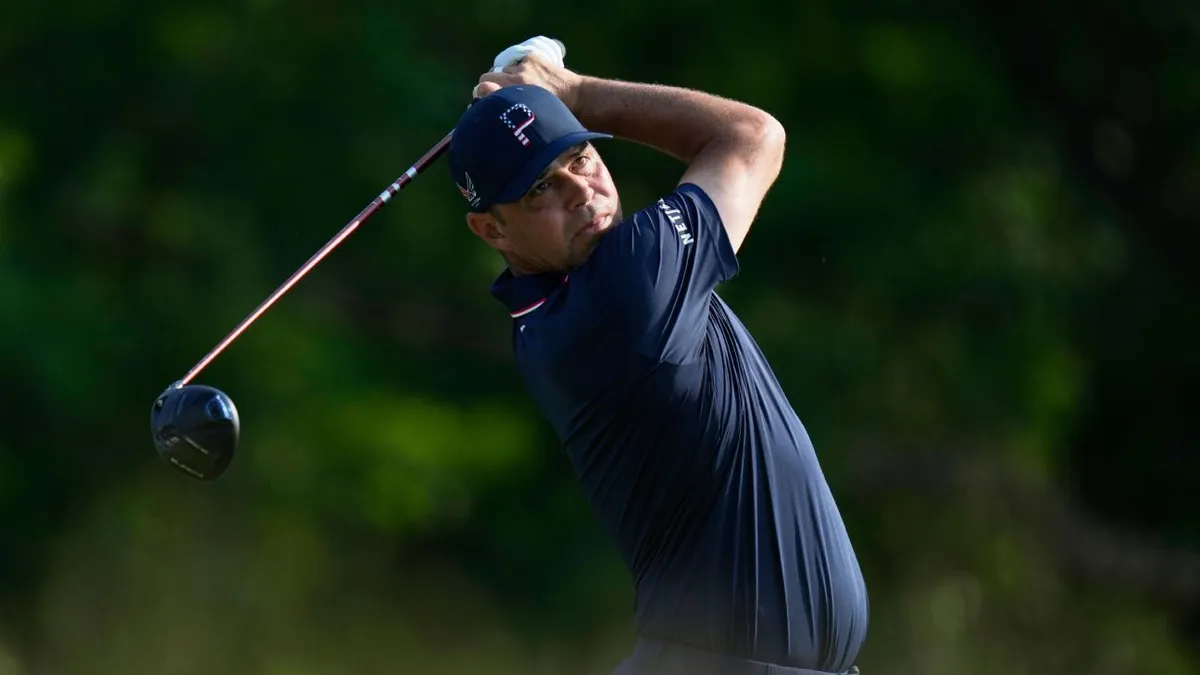
Gary Woodland’s Journey with PTSD
In a candid revelation, professional golfer Gary Woodland has opened up about his struggles with post-traumatic stress disorder (PTSD) following a significant medical procedure. The announcement comes after Woodland underwent brain surgery in September 2023 to remove a lesion pressing on his brain. This surgery marked a pivotal moment in his life, leading to a diagnosis of PTSD about a year later.
At 41 years old, Woodland has faced numerous challenges since his surgery. He returned to the PGA Tour at the start of 2024, demonstrating resilience and determination to continue his career. However, the journey has not been easy. During the 2025 Procore Championship, he experienced symptoms of PTSD that prompted him to confront his mental health openly.
Woodland’s diagnosis and subsequent experiences have led him to express profound feelings about his condition. “I feel like I’m dying, and I feel like I’m living a lie,” he stated, highlighting the internal struggle many face when dealing with mental health issues. His openness about these feelings aims to shed light on the often-hidden battles athletes endure behind the scenes.
Despite the challenges, Woodland has received substantial support from the PGA Tour, including extra security protocols to ensure his well-being during competitions. He acknowledged this support, stating, “I can’t waste energy anymore hiding this, and I’m blessed with a lot of support out here on the Tour.” This acknowledgment of community and assistance is crucial for athletes who may feel isolated in their struggles.
Woodland’s journey is not just about his personal battles; he aims to help others by sharing his story about PTSD. He remarked, “I want to help people, too. I realize now I’ve got to help myself first.” This commitment to helping others reflects a growing trend among athletes who are using their platforms to advocate for mental health awareness.
The golfer’s openness about his PTSD diagnosis and the impact it has had on his life serves as a reminder of the importance of mental health in sports. Woodland’s story resonates with many, as it highlights the need for understanding and support for those facing similar challenges.
As Woodland continues his recovery and participation in the PGA Tour, his journey serves as an inspiration for others dealing with mental health issues. His willingness to share his experiences contributes to a broader conversation about mental health in athletics, encouraging others to seek help and support when needed. Details remain unconfirmed regarding the long-term implications of his diagnosis, but Woodland’s advocacy is a significant step towards breaking the stigma surrounding mental health in sports.
