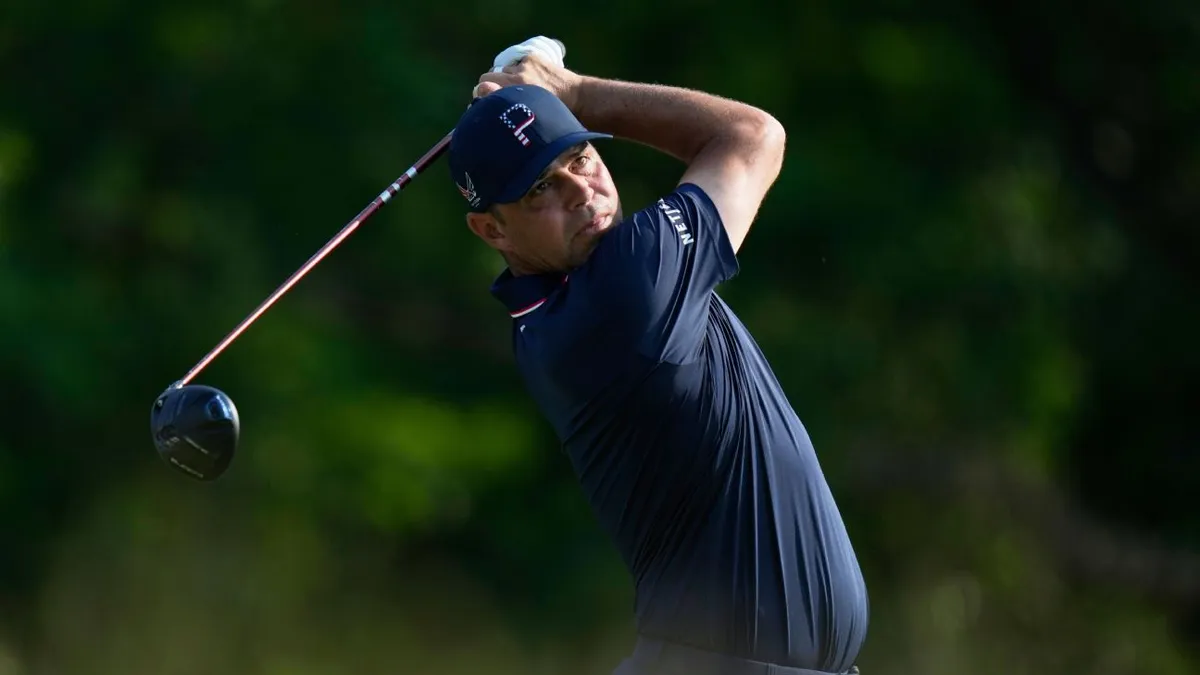
Gary Woodland Opens Up About His PTSD Diagnosis
Gary Woodland, the 2019 U.S. Open champion, has recently shared his journey with post-traumatic stress disorder (PTSD) following a significant medical procedure. In September 2023, Woodland underwent brain surgery to remove a lesion pressing on his brain, a life-altering event that has shaped his mental health journey.
About a year after his surgery, Woodland was diagnosed with PTSD, a condition that has profoundly impacted his life and career. At 41 years old, he has been candid about the challenges he faces, stating, “I feel like I’m dying, and I feel like I’m living a lie.” His openness about his mental health struggles marks a significant moment in the world of professional sports, where such discussions are often stigmatized.
Woodland’s return to the PGA Tour at the start of 2024 comes after a period of intense personal struggle. He experienced symptoms of PTSD during the 2025 Procore Championship, a moment that highlighted the ongoing battle he faces. Despite these challenges, he has received support from the PGA Tour, which has implemented extra security protocols to assist him during competitions.
Reflecting on his journey, Woodland expressed, “I can’t waste energy anymore hiding this, and I’m blessed with a lot of support out here on the Tour.” His willingness to share his experiences aims to help others who may be facing similar issues, emphasizing the importance of addressing mental health openly.
Woodland’s story is not just about his personal struggles; it also serves as a reminder of the broader context of mental health in sports. Athletes often face immense pressure to perform, and the stigma surrounding mental health can prevent them from seeking help. By sharing his story, Woodland hopes to inspire others to prioritize their mental well-being.
In his pursuit of healing, Woodland acknowledges the need to help himself first, stating, “I want to help people, too. I realize now I’ve got to help myself first.” This recognition is a crucial step in his journey, as he continues to navigate the complexities of PTSD while balancing his professional commitments.
As Woodland continues to compete and share his story, the conversation around mental health in sports is likely to evolve. His experiences may encourage other athletes to speak out and seek help, fostering a more supportive environment for those struggling with similar challenges. Details remain unconfirmed regarding future initiatives Woodland may undertake to raise awareness about PTSD and mental health in athletics.
