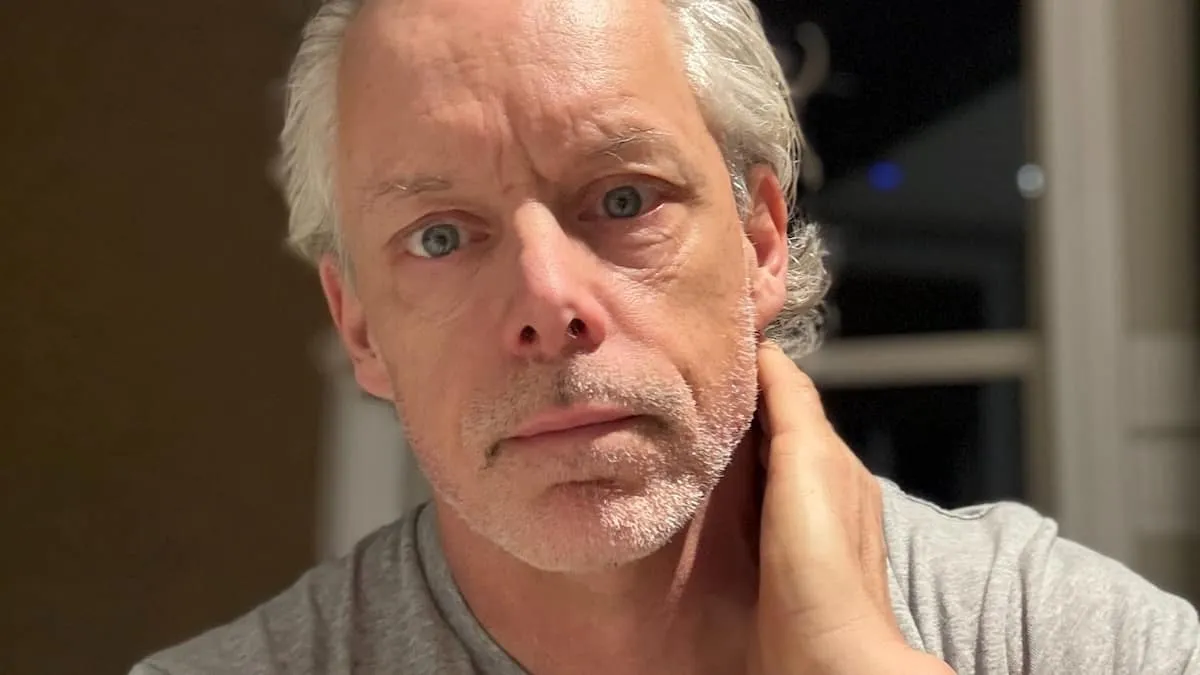
François Lambert, a well-known figure, has made a significant health decision by opting out of neck surgery that was scheduled for mid-April 2026. After nearly 30 years of living with chronic pain, Lambert, now 58, faced a medical examination that revealed a more complex issue than initially anticipated: four vertebrae would need to be fused instead of the two that were originally planned.
Lambert has been grappling with osteoarthritis and advanced wear in his neck, conditions that have progressively worsened over the past year. The proposed surgery raised concerns for him, particularly regarding the potential for significant loss of mobility. “At 58 years old, still active, it means losing a lot of mobility,” he expressed, highlighting the gravity of the situation.
Despite the challenges posed by his condition, Lambert has chosen to manage his pain through medication, stretching, and dietary changes. He has also committed to annual follow-ups and plans for injections every three months to help alleviate his symptoms.
In a candid reflection on his situation, Lambert stated, “I am not defeated. I am not angry. This is my reality, and I am moving forward with it.” His resilience is evident as he navigates the complexities of living with chronic pain.
François Lambert’s decision not to proceed with surgery underscores the difficult choices many face when dealing with long-term health issues. His journey serves as a reminder of the importance of considering all options and the impact of medical decisions on one’s quality of life.
As observers look on, they note that Lambert’s situation continues to evolve, and details remain unconfirmed regarding any further medical interventions he may pursue. His story resonates with many who understand the challenges of managing chronic pain and the personal decisions that accompany it.
Lambert’s experience sheds light on the broader conversation surrounding chronic pain management and the complexities involved in making health-related decisions. His commitment to finding alternative ways to cope with his condition reflects a growing trend among individuals seeking to take control of their health journeys.
In the coming months, it will be interesting to see how Lambert’s health progresses and whether he will explore additional treatments or therapies to enhance his quality of life.
