Introduction
Forest Green Rovers, based in Stroud, Gloucestershire, is a professional football club that has gained global recognition not just for its performance on the pitch but for its commitment to sustainability. As the world becomes increasingly aware of climate change, organisations like Forest Green Rovers are highlighting the importance of eco-friendly practices in sports, making them a unique case study within the football world.
Club Background
Established in 1889, the club has a rich history but has taken significant strides in recent years under the ownership of Dale Vince, a renewable energy entrepreneur. Vince’s vision for the club prioritised environmental issues, which led to Forest Green Rovers being recognised as the world’s first vegan football club. This was not merely a gimmick; the club serves only vegan food at its New Lawn Stadium and has been active in promoting sustainability and green living.
Recent Developments
As of late 2023, Forest Green Rovers made headlines for their transition to the English Football League (EFL) Championship. Despite facing challenges due to injury woes and fierce competition, their style of play has received accolades, and their green initiatives continue to garner international media attention. Recent matches have showcased their determination to balance performance with their eco-friendly philosophy.
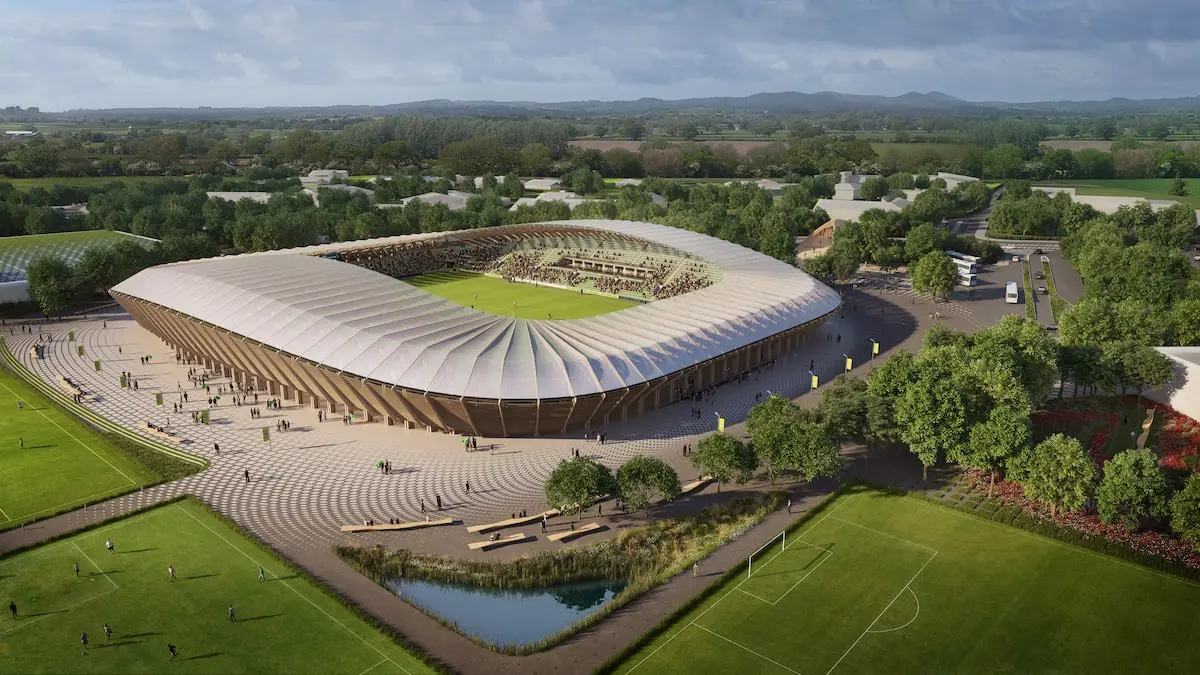
The club has also recently launched several projects aimed at enhancing its sustainability. From solar panels to the construction of a new eco-friendly stadium designed to reduce carbon footprint, every aspect reflects their commitment to combating environmental issues. Their innovative approaches, including partnerships with environmental organisations, reinforce their role as leaders in sustainable sport.
Community Engagement and Significance
Forest Green Rovers’ commitment to the environment resonates deeply with their fan base and the surrounding community. The club engages local schools and organisations to raise awareness about sustainability, showcasing how sports can contribute to broader environmental objectives. With initiatives like tree planting and community clean-up efforts, they are not just about football; they are about creating a positive impact.
Conclusion
As Forest Green Rovers continues to push boundaries, their story serves as an inspiring narrative for both sports and environmental activism. Their model could influence other teams across various sports to adopt similar sustainable practices, potentially changing how the industry operates. As football embraces the values that Forest Green Rovers represents, the club remains a beacon for those who believe that sport can play a pivotal role in addressing some of the most pressing issues of our time.
