The Importance of Sustainability in Football
In recent years, football clubs around the world have been facing increasing pressure to adopt sustainable practices. Climate change and environmental degradation have become pressing issues, resulting in calls for the sports industry to be more environmentally responsible. Among these clubs, Forest Green Rovers, located in Gloucestershire, England, has positioned itself as a leader in this critical movement.
Innovative Practices at Forest Green Rovers
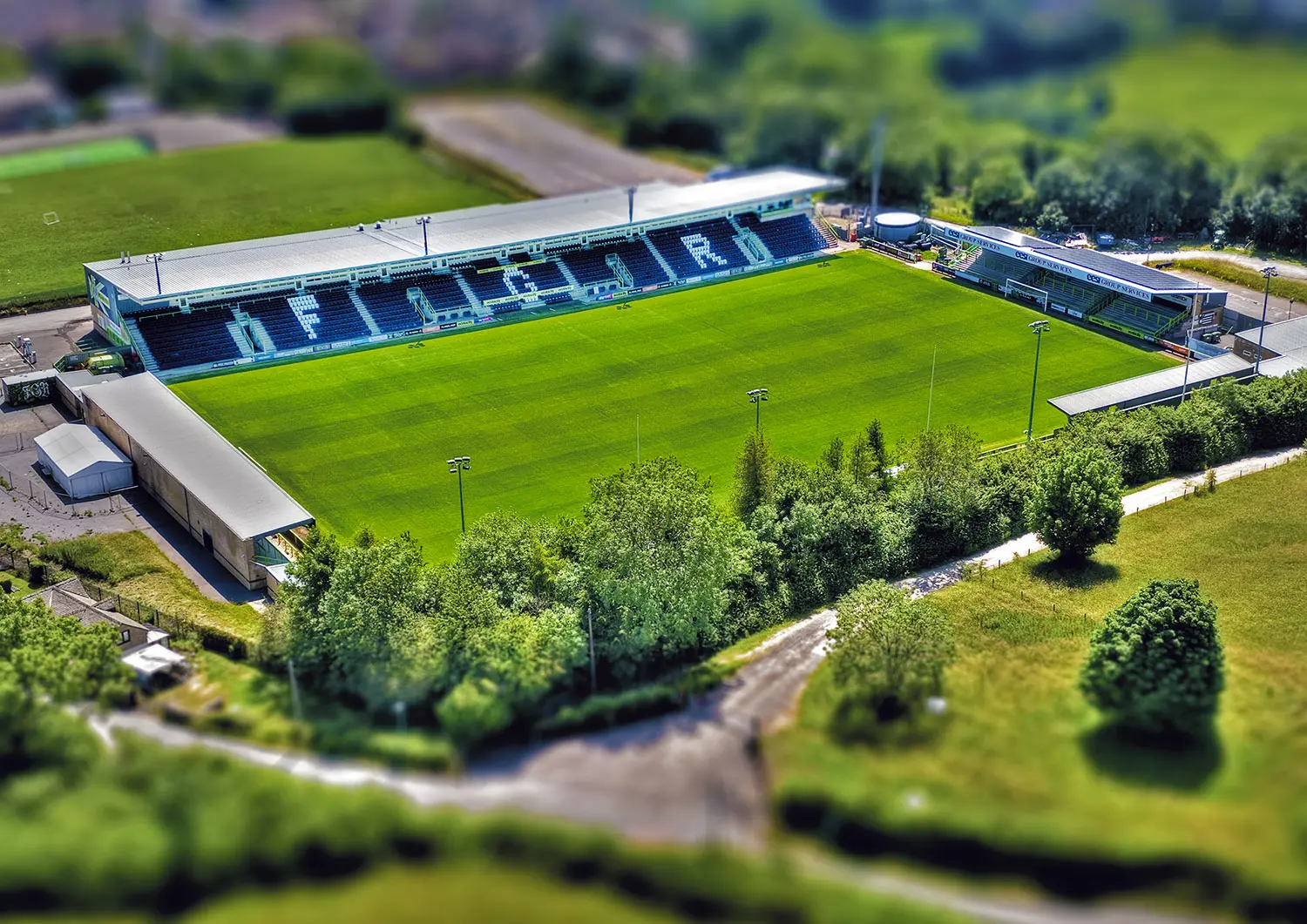
Forest Green Rovers, founded in 1889, has made headlines not only for its performances on the pitch but also for its commitment to sustainability. In 2010, the club became the world’s first carbon-neutral football club, and it has since implemented various eco-friendly initiatives. The club’s stadium, The New Lawn, uses grass roofs, solar panels, and a rainwater harvesting system. Fans are encouraged to use public transport and the club has even set up bike racks for supporters who cycle to games.
Going Vegan
One of the most renowned initiatives from Forest Green Rovers is its decision to adopt a completely vegan menu in its stadium. This groundbreaking move not only supports animal rights but also aims to highlight the environmental impact of meat production on climate change. The vegan offerings include locally sourced ingredients, ensuring that the club not only supports ethical eating but also local agriculture. This decision has been widely celebrated and has attracted global attention, with mainstream media covering the story.
Recognition and Awards
Forest Green Rovers’ exceptional commitment to sustainability has earned numerous accolades. The club has been recognised by FIFA and the UN as a leader in the field of sustainability, and it received the ‘Greenest Football Club in the World’ title by Greenpeace. In 2022, they were awarded the EFL’s ‘Sustainability Award’, further cementing their reputation as a trailblazer in eco-friendly football.
The Future of Forest Green Rovers
Looking ahead, Forest Green Rovers plans to continue innovating and leading by example in the realm of sports sustainability. As they aim for promotion to higher leagues, there are expectations that more clubs will follow their footsteps in instilling environmentally friendly practices. As the conversation around climate change grows, the significance of clubs like Forest Green Rovers could inspire a broader shift within the football industry.
Conclusion
Overall, Forest Green Rovers represents a powerful case study on how football clubs can contribute positively to societal and environmental issues. Their initiatives not only cater to the environmental consciousness of today’s fans but also set a blueprint for future developments across the entire sports landscape. Fans and stakeholders alike should watch closely as this innovative club continues to make waves in both sustainability and football.
