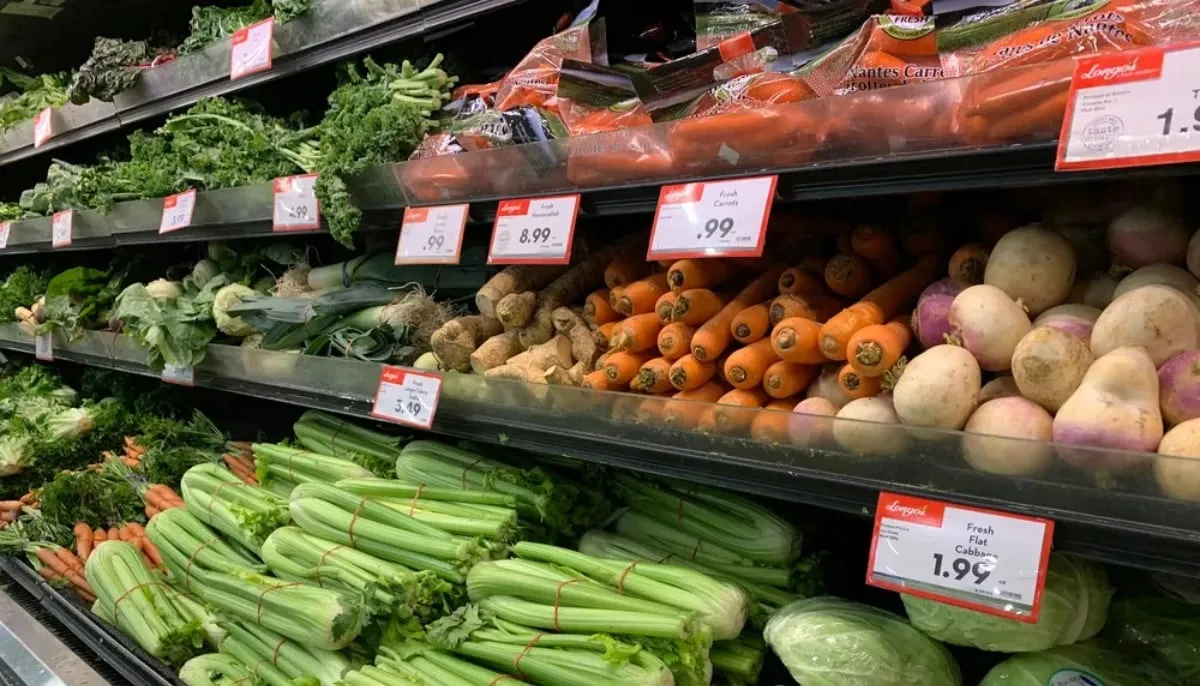
Rising food prices are forcing more Canadians to seek support, with thousands lining up for free groceries in Calgary. Grocery prices rose 4.4 percent year on year, according to Statistics Canada. This surge reflects broader trends in food inflation that affect families across the country.
In March, average inflation for food and beverage companies surged 7.9% year over year—the largest jump in at least 12 months. Some items saw shocking increases; tomatoes, for instance, experienced a staggering price jump of 102% compared to last year. This drastic rise is not just an inconvenience; it’s a reality check for many households.
Why is this happening? Higher fertilizer costs play a significant role. Urea prices, the world’s most widely used nitrogen fertilizer, have doubled since February, now costing around $900 per metric ton. Additionally, rising fuel costs further contribute to skyrocketing grocery prices—an unfortunate cycle that burdens consumers.
The impact on local communities is profound. Volunteers recently handed out around 80,000 pounds of potatoes at a distribution event in Calgary. The queue for free groceries stretched for blocks, with some people waiting over an hour to receive basic necessities.
Evan Godfrey, a local resident, shared his frustration: “The cost of groceries has basically doubled compared to most of my other bills.” His sentiment resonates with many who feel the pinch as their incomes lag behind inflation. Moshe Lander pointed out that “our income has been lagging behind inflation for years. That’s where the problem lies.”
That context matters because it highlights the ongoing struggle faced by families trying to make ends meet. For some people, accessing free groceries is absolutely necessary; for others, it provides a bit of flexibility amid rising costs.
Observers expect these trends to continue as food inflation shows no signs of abating anytime soon. With ongoing pressures from both fertilizer and fuel costs, the situation could worsen before it gets better.
As Calgary grapples with these challenges, the demand for food aid may remain high. Local organizations are stepping up to meet this need—but they too face hurdles amid rising operational costs.
