The filibuster is at the center of a growing conflict within the Republican Party, as many GOP senators resist former President Donald Trump’s demands to eliminate this long-standing Senate procedure. The filibuster, a traditional tool for extending debate, requires a cloture vote to end it, and its potential removal could significantly alter the legislative landscape.
Trump’s push for the elimination of the filibuster comes as he seeks to expedite legislation related to immigration and border security. He has expressed strong support for funding Immigration and Customs Enforcement (ICE) and Border Patrol through a party-line bill, emphasizing the need for swift action. “Reconciliation is ON TRACK, and we are moving FAST and FOCUSED in keeping our Border SECURE,” Trump stated, highlighting his administration’s commitment to national security.
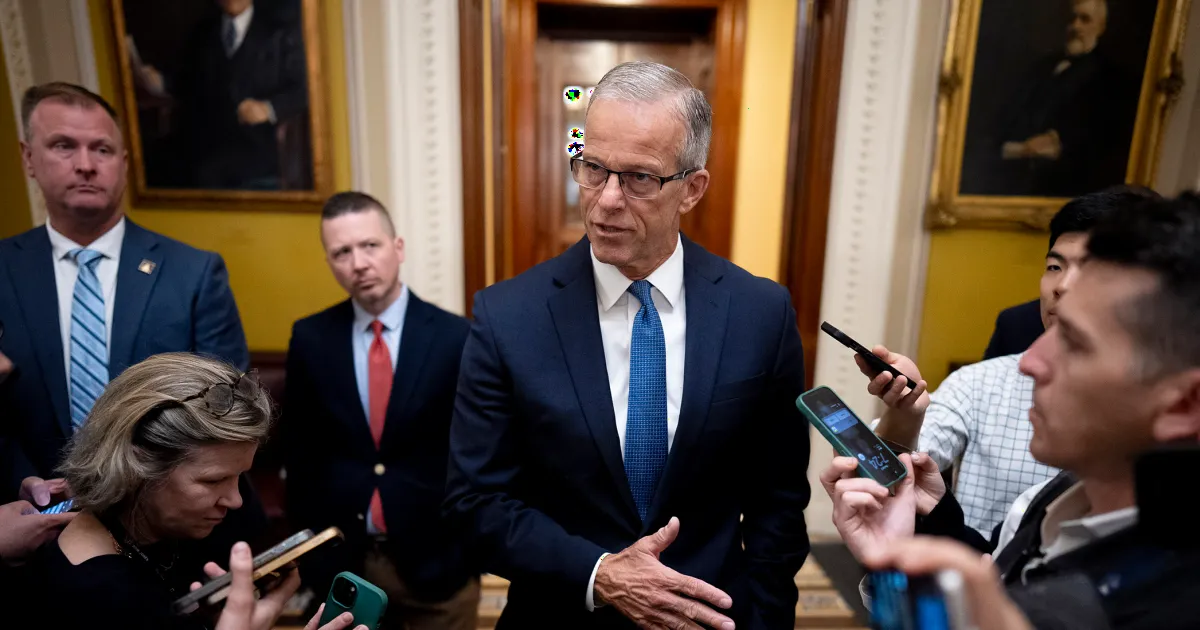
The reconciliation process, which allows certain budget-related bills to pass with a simple majority, was previously utilized by the GOP to pass the One Big Beautiful Bill Act last year. This method could be crucial for advancing Trump’s SAVE America Act, which is closely tied to his political agenda and remains a priority for him. However, Senate Majority Leader John Thune is facing mounting pressure regarding the filibuster and the SAVE America Act, complicating the situation further.
Trump has urged Thune to eliminate the filibuster to facilitate the passage of key legislation, but many GOP senators are hesitant. This internal division raises questions about the party’s unity and its ability to implement Trump’s agenda effectively. Conservative journalist commentary reflects this tension, asking, “Why is the filibuster more important than stopping illegals from voting?” This sentiment underscores the urgency some feel regarding immigration issues.
Supporters of maintaining the filibuster argue that it serves as a critical check on majority power, ensuring that minority voices are heard in the legislative process. However, proponents of its elimination, including members of the House Freedom Caucus, assert that it is necessary to secure funding for the Department of Homeland Security (DHS) and to prevent Democrats from leveraging national security for political gain. “We can fund DHS for the rest of the President’s term to ensure Democrats can never again take our nation’s security hostage,” they declared.
As the debate over the filibuster continues, observers are closely watching how GOP leadership will navigate these internal conflicts. Rep. Barry Moore emphasized the urgency of action, stating, “Whatever it takes, we gotta do this for the American people.” This highlights the pressure on Republican leaders to find a resolution that aligns with both Trump’s demands and the concerns of their party members.
Details remain unconfirmed regarding the potential outcomes of this ongoing debate, but the implications of the filibuster’s future could have lasting effects on the legislative process and the Republican Party’s cohesion. As the situation evolves, the stakes remain high for both Trump and GOP senators as they seek to balance party unity with the pursuit of their legislative goals.
