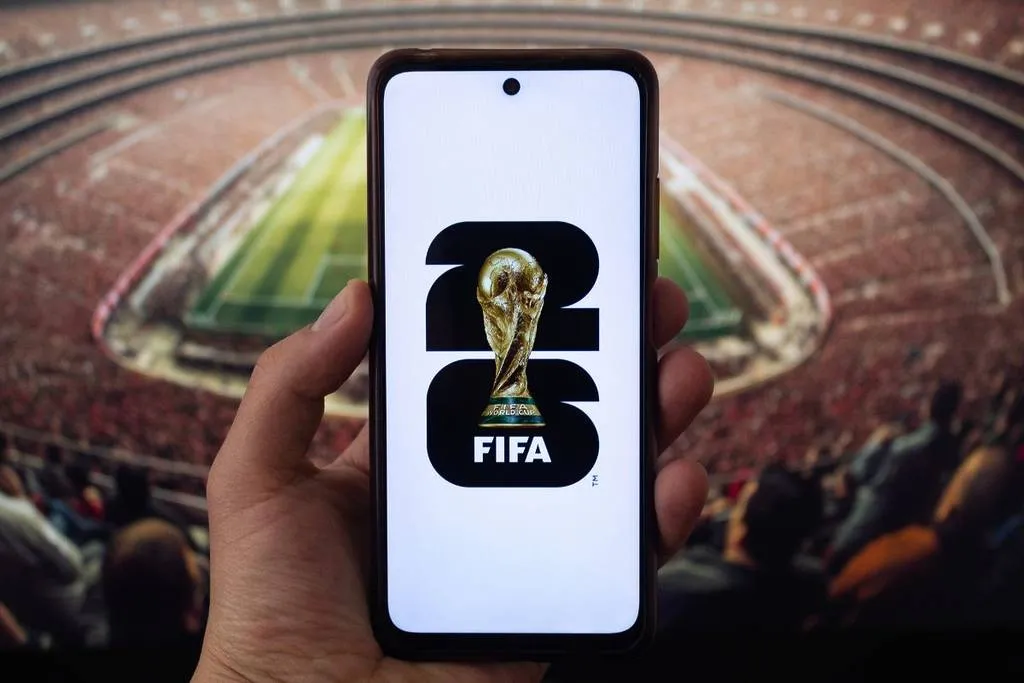
Before this recent announcement, expectations surrounding FIFA tickets were already high. Fans were eager for the chance to attend matches in the upcoming 2026 World Cup, which is just 50 days away. Historically, ticket sales for such events have been a frenzy—especially given that FIFA has sold over five million tickets for this tournament alone.
But then came the decisive moment: FIFA announced that new tickets would be available starting at 11 a.m. on Wednesday. This news sent ripples through the fan community. The tickets will be sold on a first-come, first-served basis, meaning that those who are quick to act will secure their spots. The last-minute sales phase will continue through July 19, allowing fans a window of opportunity to buy tickets until the end of the tournament.
This shift has direct effects on both fans and local communities. For instance, in Toronto—a host city for the event—the City will provide most tickets for its FIFA World Cup fan festival at no cost. Out of the 20,000 tickets available daily at this festival, 15,600 will be general admission without charge, while another 500 are dedicated to community groups. Mayor Olivia Chow emphasized that everyone should have access to enjoy the games regardless of income level.
Yet, this accessibility contrasts with FIFA’s introduction of new premium-priced tiers for World Cup tickets. For example, during a previous sale in December, tickets for the US-Paraguay match were priced at $1,120, $1,940, and even $2,735. This pricing strategy raises questions: Who can afford these premium experiences? It seems that while some fans rejoice over free access at festivals, others may feel priced out of attending actual matches.
The numbers tell an interesting story too. While FIFA has achieved a cumulative record of selling 3.5 million tickets during the 1994 World Cup—an impressive feat—this year’s figures are already surpassing expectations with over five million sold so far. Additional tickets will continue to be released up until the final match—potentially leading to even more sales.
FIFA’s ticketing strategy illustrates a broader trend in sports events: balancing accessibility with revenue generation. As fans flood online platforms to secure their seats—FIFA warns of long digital lineups—the demand clearly outweighs supply. This scenario is reminiscent of concert ticket sales where scalpers often capitalize on scarcity.
In conclusion, these developments highlight not just the excitement surrounding FIFA tickets but also underline critical conversations about equity and access in sports. As we approach April 22nd and beyond, it will be fascinating to see how these dynamics evolve.
