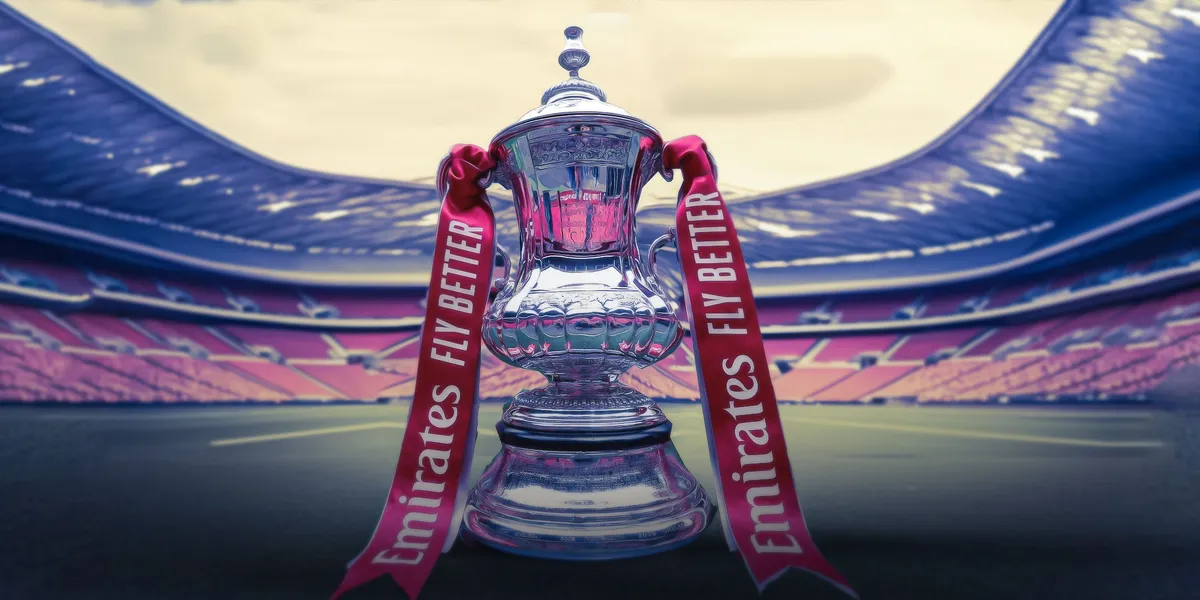
Changing Dynamics in the FA Cup
The FA Cup has long been a prestigious tournament in English football, with teams across various divisions vying for glory. Traditionally, clubs like Liverpool and Manchester City have been expected to perform well, given their rich histories and strong squads. However, as the 2026 FA Cup progresses, the landscape has shifted dramatically, leading to new narratives and expectations.
Decisive Moments and Shocking Results
On March 6, 2026, a notable match saw Wolves face Liverpool, resulting in a surprising 2-1 defeat for the latter. This outcome marked a significant upset, as Liverpool had previously dominated their earlier rounds, including a convincing 4-1 victory over Barnsley and a 3-0 win against Brighton. Such results had set high expectations for their performance in the tournament. Meanwhile, Wrexham A.F.C., a club that has not reached this stage of the FA Cup since the 1996-97 season, continues to defy expectations, currently sitting sixth in the Championship with 11 matches left in the season.
Impact on Teams and Players
The repercussions of these results are profound. Liverpool, having been a strong contender, now faces increased pressure to reclaim their status in the tournament, especially after their recent loss. As noted by an anonymous source, “Liverpool will be out for revenge after the loss earlier in the week,” indicating the urgency for the team to perform in upcoming matches. On the other hand, Wrexham A.F.C., under the ownership of Ryan Reynolds and Rob McElhenney, has garnered significant media attention, but their on-field performance is equally commendable. An expert remarked, “Wrexham A.F.C. gets a lot of headlines because of its high-profile owners, but they’ve also been taking care of business on the pitch this season.” This dual narrative of celebrity ownership and competitive success adds an intriguing layer to the FA Cup this year.
Historical Context and Current Trends
Historically, the FA Cup has been a stage for both giants and underdogs. Pep Guardiola, who has led Manchester City to two FA Cup titles, has emphasized the importance of the tournament, stating, “How many finals did we play in the last years? How many semi-finals? A lot, that means always FA Cup is so important.” His team’s consistent performance, reaching the semi-finals in eight of his nine seasons, underscores the competitive nature of the tournament.
Looking Ahead
As the tournament approaches its final stages, the stakes are higher than ever. The FA Cup final is scheduled to be held at Wembley Stadium on May 16, 2026, and teams are gearing up for the crucial matches ahead. With the defending champions, Crystal Palace, having defeated Manchester City in the previous year’s final, the competition remains fierce. Clubs like Wolves, currently at the bottom of the Premier League, are also looking to turn their fortunes around in the FA Cup, adding another layer of drama to the tournament.
In summary, the FA Cup this season has brought unexpected results and shifting expectations for several teams. As clubs like Liverpool seek redemption and Wrexham A.F.C. aim to continue their remarkable journey, fans can anticipate thrilling matches ahead. The evolving narratives within the tournament highlight the unpredictable nature of football, where every match can redefine the landscape of competition.
