Introduction to US Government Shutdowns
The phenomenon of government shutdowns in the United States is a recurring issue that garners significant media attention and public concern. Understanding the mechanisms, implications, and historical context of these shutdowns is crucial, especially as the potential for future occurrences looms over political discussions. Shutdowns typically arise from funding disagreements in Congress, leading to temporary suspensions of government operations that can affect millions of Americans and various sectors significantly.
Recent Events Surrounding Government Shutdowns
In October 2023, the United States faced another potential government shutdown when Congress failed to pass an appropriations bill by the end of the fiscal year. The political standoff was primarily between Democrats and Republicans over budget allocations for various departments, including health care and military spending. While efforts were made to broker a compromise, partisan tensions remained high, with each party’s priorities clashing markedly.
The Bureau of Economic Analysis indicated that a government shutdown could lead to a contraction in GDP, as federal services that support economic activity would be interrupted. Such interruptions could affect social security benefits, furlough federal workers, and suspend numerous government services, from national park access to tax processing, creating a ripple effect throughout the economy.
Historical Context and Significance
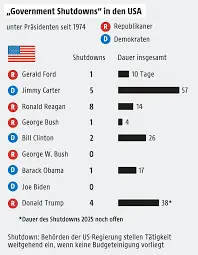
Government shutdowns have a long history in the United States, with the first being recorded in 1980. Since then, there have been a total of 27 shutdowns, reflecting the ongoing struggles within the political system to resolve budgetary issues amicably. The most notable shutdown occurred in late 2018 and early 2019, lasting 35 days and becoming the longest shutdown in American history. This period showcased significant public backlash as various government services, including the TSA and federal employees’ salaries, were severely impacted.
The recurring nature of these shutdowns raises questions about the stability and functionality of American governance. Political analysts stress that these standoffs not only disrupt government operations but also erode public trust in the political system, highlighting the need for more robust negotiation strategies and bipartisan cooperation.
Conclusion and Future Prospects
As the U.S. government approaches the next potential shutdown, the importance of addressing underlying political divisions cannot be overstated. With the nation’s economy and the welfare of millions at stake, finding concerted paths to compromise will be crucial for future stability. Citizens and lawmakers alike must consider the broader implications of shutdowns, not only as mere political dysfunction but as a challenge to the essential functions of government that support democracy and public welfare.
