Introduction
Trigger points, often referred to as muscle knots, are a common yet often overlooked issue in pain management. These sensitive areas within skeletal muscle can lead to significant discomfort, restricting movement and affecting overall quality of life. Understanding trigger points is essential for both healthcare professionals and individuals suffering from chronic pain, as they play a critical role in various musculoskeletal conditions.
What Are Trigger Points?
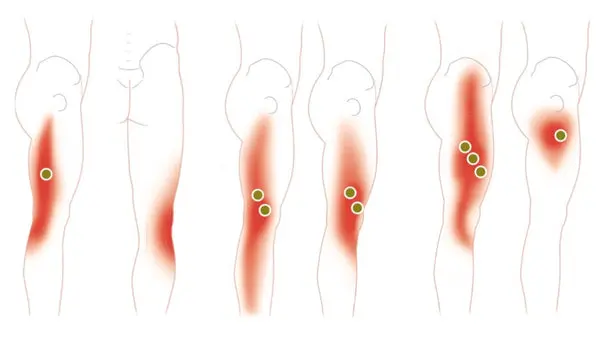
Trigger points are defined as hyperirritable spots in skeletal muscle that are associated with palpable nodules in taut muscle fibres. They can arise due to various factors including prolonged muscle tension, injury, or repetitive strain. When pressure is applied to these points, it often leads to pain that may radiate to other regions of the body, a phenomenon known as referred pain.
The Impact of Trigger Points
Current research highlights the prevalence of trigger points, particularly in those with conditions such as fibromyalgia, tension-type headaches, and myofascial pain syndrome. A study conducted by the American Academy of Physical Medicine and Rehabilitation found that approximately 85% of patients with chronic pain reported the presence of trigger points. This statistic underscores the need for effective identification and treatment strategies.
Treatment Options
Addressing trigger points effectively often requires a combination approach. Common treatments include:
- Physical Therapy: Techniques such as stretching, strengthening exercises, and manual therapy can be highly effective in relieving tension.
- Massage Therapy: Targeted massage can help in deactivating trigger points, alleviating pain, and improving muscle function.
- Dry Needling: This technique involves inserting thin needles into the trigger points to relieve pain and improve movement.
- Medication: Nonsteroidal anti-inflammatory drugs (NSAIDs) or muscle relaxants may be prescribed to manage pain.
Conclusion
Trigger points represent a significant aspect of musculoskeletal pain that warrants attention in both clinical and recreational settings. As awareness grows, healthcare providers are increasingly incorporating specific treatment modalities aimed at addressing these muscle knots effectively. For individuals, recognising the signs of trigger points can lead to timely interventions that enhance quality of life. Future advancements in pain treatment may provide even more effective approaches for managing trigger points, which could lead to improved outcomes for countless individuals experiencing chronic pain.
