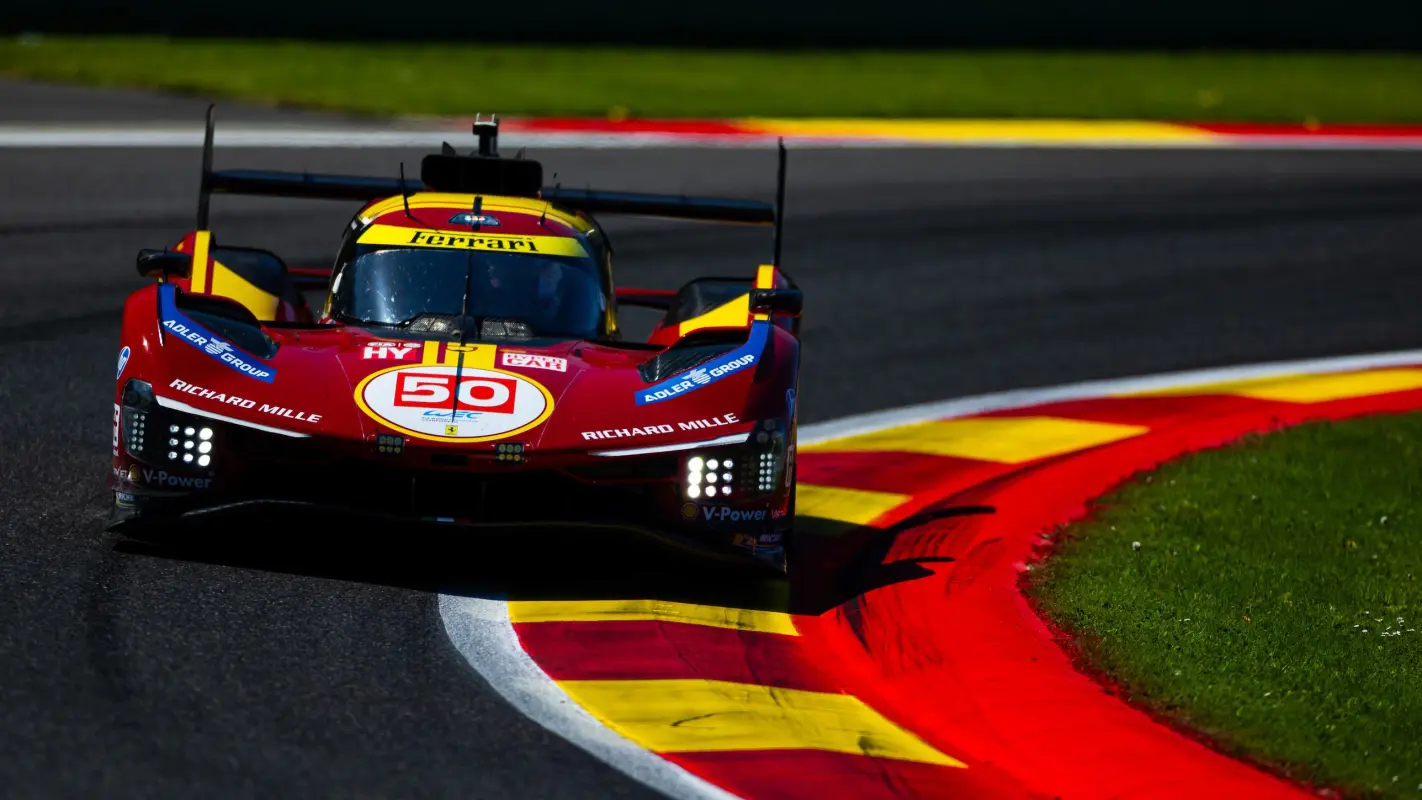
Introduction to WEC
The World Endurance Championship (WEC) holds a prestigious position in the realm of motorsport, captivating fans with its unique format of endurance racing. Established in 2012, WEC showcases the performance of sports cars and the endurance of drivers in a series of long-distance races across various circuits worldwide. The championship not only tests automotive engineering but also highlights team strategy and driver stamina, making it a crucial component of modern motorsport.
Current Season Highlights
The 2023 season of the WEC has been particularly thrilling, featuring iconic events such as the 24 Hours of Le Mans, which is often regarded as the pinnacle of endurance racing. This year, the race saw remarkable participation from manufacturers like Toyota, Audi, and Ferrari, each vying for pole position and glory. The event was not just about speed; it was a battle of endurance, with teams strategising on fuel management and pit stops, crucial for success in such lengthy races.
The championship has also embraced innovations in technology and sustainability, with the introduction of hybrid powertrains in some categories. This aligns with the global push towards greener automotive solutions and has attracted positive attention from both fans and industry experts. The addition of the Hypercar category, featuring prototype-like cars that use hybrid technology, further underscores WEC’s commitment to sustainability and performance.
Impact on Motorsport and Future Prospects
The WEC has significantly influenced the landscape of motorsport, merging thrilling competition with advancements in automotive technology. As more manufacturers engage with the sport, we can expect enhanced competition and innovations in vehicle designs.
Looking ahead, the WEC is set to continue evolving with the expansion of its calendar and the potential introduction of new circuits. The 2024 season is anticipated to introduce even more teams and possibly a dedicated Women’s Race, further advocating inclusivity in motorsport. The championship’s focus on sustainability and performance is likely to inspire future formats of racing across the globe.
Conclusion
The World Endurance Championship not only captivates motorsport enthusiasts but also plays a vital role in pushing the boundaries of automotive technology. Its relevance continues to grow as it adapts to changing consumer demands and environmental considerations. For fans and participants alike, the WEC represents a thrilling blend of speed, strategy, and sustainability, promising an exciting future for endurance racing.
