Introduction
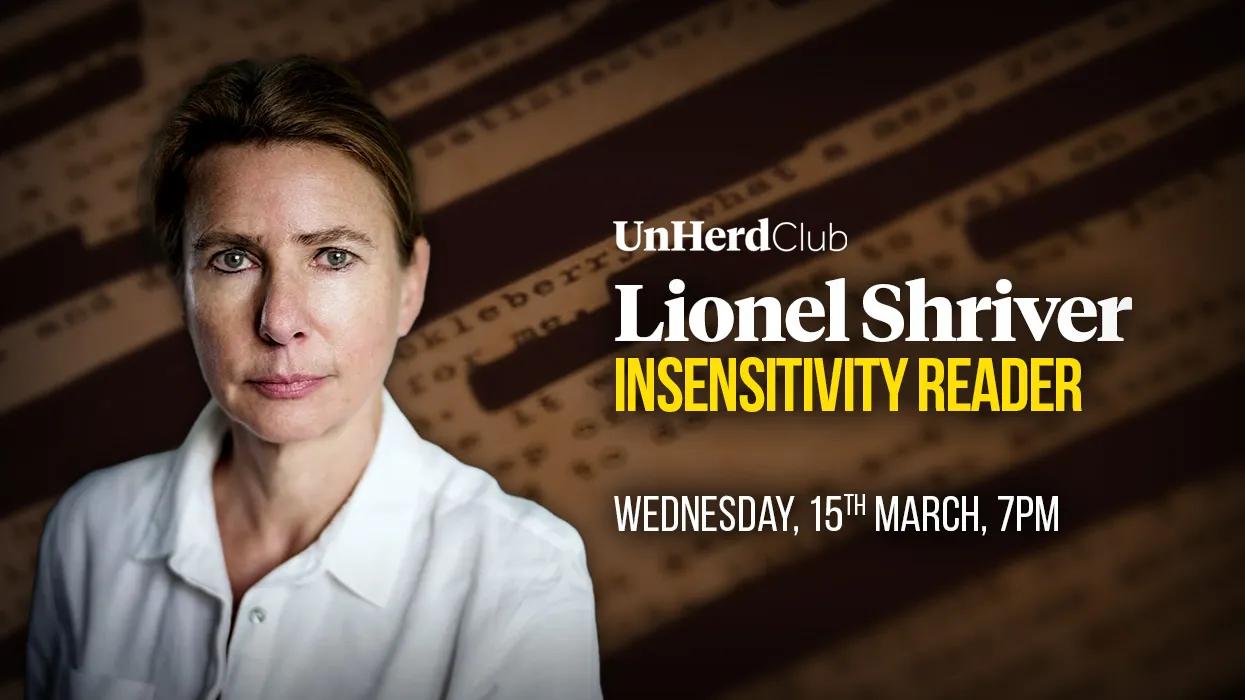
Lionel Shriver is a prominent American author known for her thought-provoking novels that delve into themes of identity, politics, and society. As a cultural commentator, Shriver’s insights resonate widely, making her work relevant, especially in today’s rapidly changing world. With her unique perspective on contemporary issues, Shriver’s contributions to literature and public debate warrant a closer examination.
Notable Works
Born in 1957, Shriver gained international acclaim with her novel “We Need to Talk About Kevin” published in 2003, which tackles the complexities of parenthood and the nature of evil through the lens of a mother’s relationship with her son. This gripping narrative sparked conversations around the responsibilities of parents and the impact of societal pressures. Following this success, Shriver has released several other significant works including “The Post-Birthday World,” which explores themes of choice and infidelity, and “Big Brother,” which addresses issues surrounding body image and obesity.
Recent Developments
In recent years, Shriver has continued to be a vital voice in discussions concerning literature and social commentary. Her 2020 novel “The Motion of the Body Through Space” reflects on notions of fitness and obsession while also critiquing modern society’s emphasis on physical appearance. This work has further solidified her reputation as a fearless author who confronts complex and often contentious subjects. Additionally, Shriver frequently writes for various publications, sharing her opinions on literature, culture, and current events, showcasing her versatility beyond fiction.
Significance and Impact
Lionel Shriver’s literary contributions extend beyond entertainment. Her incisive narrative style and willingness to tackle uncomfortable truths have sparked important dialogues among readers and critics alike. By addressing societal norms, her work encourages reflection and discussion, making her an influential figure in contemporary literature. Moreover, her engagement with societal critiques positions her as a significant commentator on various pressing issues, resonating with readers across different demographics.
Conclusion
As the literary landscape evolves, Lionel Shriver remains a formidable force whose works challenge readers to confront unsettling truths about human nature and society. Her ability to weave complex characters with contemporary issues ensures that her writing continues to be relevant and impactful. With upcoming projects anticipated, the literary world watches closely as Shriver’s voice continues to shape conversations around pivotal cultural themes.
